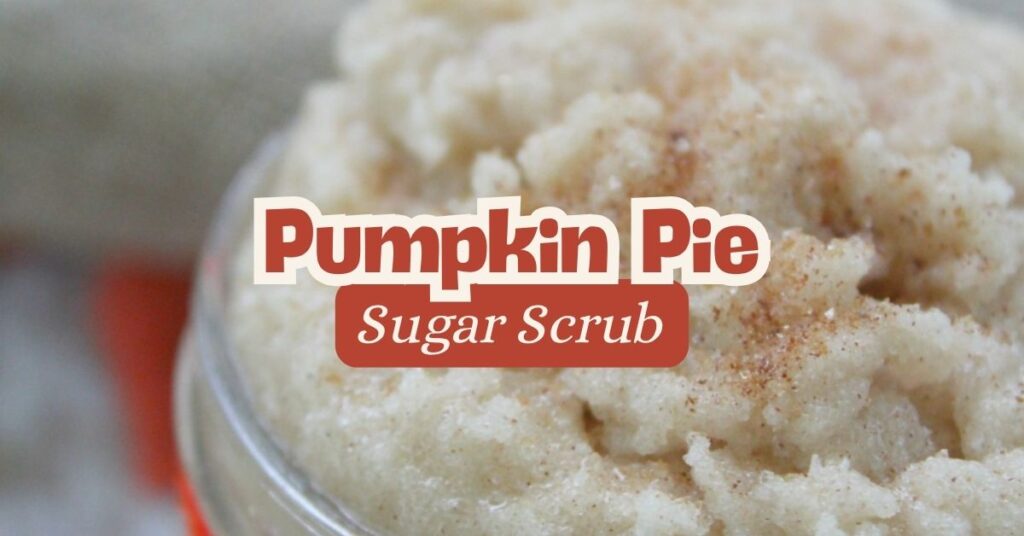
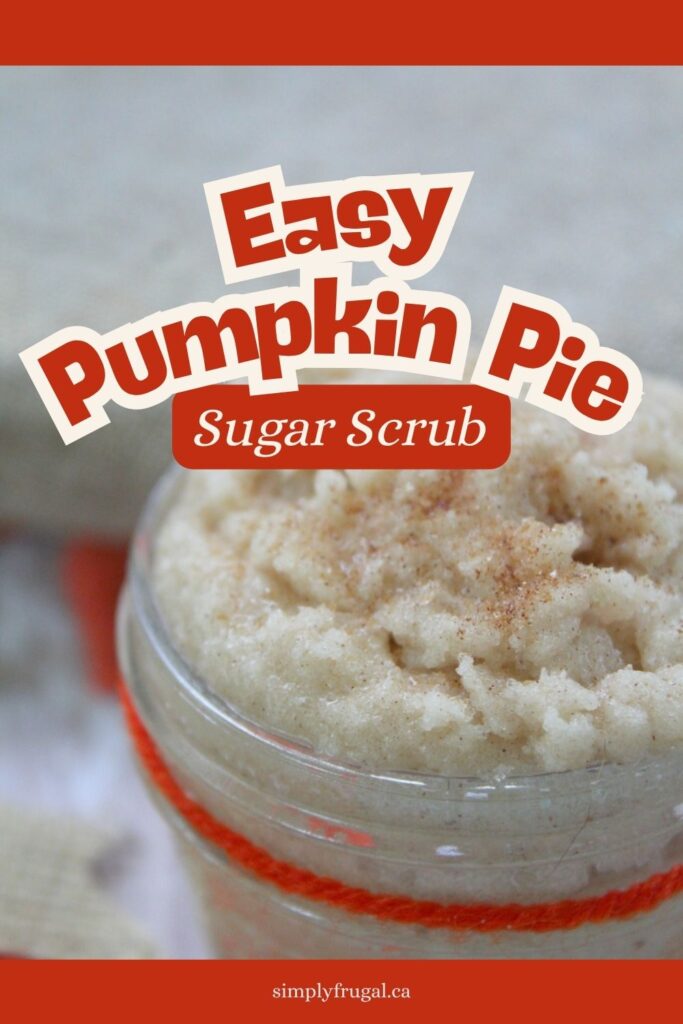
This Pumpkin Pie Sugar Scrub is an easy DIY that smells just like fall! It’s a fun way to pamper yourself or make a thoughtful homemade gift for the holidays.
My daughter and I had so much fun making a batch of this pumpkin pie sugar scrub over the weekend. It was simple to put together, smelled amazing, and gave us a fun little activity to do together. Naturally, we had to try it out when we were finished! Our skin felt so soft afterwards.
Ready for a little at home pampering? You can whip up your own batch of Pumpkin Pie Sugar Scrub in just a few minutes. Make a little extra to package up for a friend, teacher, or anyone who could use a little fall-inspired treat!
Pumpkin Pie Sugar Scrub
SUPPLIES NEEDED:
- 1 cup of white sugar - ¾ cup of coconut oil (cold pressed, virgin coconut oil is excellent) - 1 teaspoon of pumpkin pie spice - 1 teaspoon of brown sugar - glass jar
DIRECTIONS:
1. In a bowl, mix the coconut oil and white sugar. Simply mash it together with a spoon until mixed.
2. Add in the pumpkin pie seasoning and continue to mash.
3. You can now add in the brown sugar. Mix well. If you feel like your scrub is too dry, you can add a small dab of coconut oil to add some moisture.
4. Spoon the pumpkin pie sugar scrub into a glass jar and sprinkle the top with additional brown sugar. This not only adds a little more “scrub” to the scrub but makes it sparkle.
5. Cover with an air tight lid and store in a cool place for up to one week.
6. To use your pumpkin pie sugar scrub, simply apply to wet skin in a circular motion. Rinse with warm water and repeat if necessary.
Canning season is here, which means it’s time to start filling those jars! And if you’re going to put all that effort into preserving your favourite fruits, vegetables, jams and pickles, why not make your jars look pretty too?
I’ve rounded up some of the best free printable canning jar labels I could find, with plenty of beautiful options to choose from. Whether you’re looking for simple blank labels, editable designs or labels that are completely ready to print and use, there’s something here for just about every style.
These labels are a fun and inexpensive way to add a finishing touch to your home canned goodies. They’re also perfect if you’re planning to give your canned goods as gifts!
So, without further ado, here are 20 amazing free printable canning jar labels to help you dress up your jars!
What’s your favourite thing to can? Do you have a go-to jam, pickle, salsa or other recipe that you make every year? I’d love to hear what you’re putting in your jars!
Canning for Beginners: How to Get Started Safely and Easily
There’s something incredibly satisfying about opening a jar of homemade jam, pickles, peaches, or tomato sauce in the middle of winter and remembering that you preserved it yourself.
If you’ve never tried it before, though, canning for beginners can feel a little intimidating. There are special equipment, different canning methods, specific processing times, and a lot of information to keep straight.
The good news? You don’t need to become an expert before you get started.
With the right equipment, a reliable tested recipe, and a little patience, home canning can be a surprisingly approachable way to preserve seasonal produce and make the most of your garden, a farmers’ market haul, or a great sale at the grocery store.
Here’s what you need to know to get started.
What Is Home Canning?
Home canning is a method of preserving food by placing it in jars and processing the jars using heat.
The heat destroys microorganisms and creates a sealed environment that helps keep the food safe for storage.
Canning has been around for centuries, but modern home canning became much more practical with the development of glass canning jars and reliable sealing methods.
Today, canning is popular with gardeners, homesteaders, farmers’ market shoppers, and anyone who enjoys preserving seasonal food.
And you don’t need a huge garden to give it a try. A few baskets of peaches, a big batch of tomatoes, or a bumper crop of cucumbers can be enough to get you started.
Canning for Beginners: What Supplies Do You Need?
One of the nice things about starting with water bath canning is that you don't need a kitchen full of specialized equipment.
For a basic water bath canning project, you'll typically need:
A water bath canner with a rack, or an appropriate large pot with a rack
Canning jars in the size recommended by your recipe
You may already have some of these items in your kitchen.
And before buying everything brand new, check thrift stores, garage sales, or your own cupboards for equipment. Just be careful with used jars and other equipment: jars with chips, cracks, or damage shouldn't be used for canning.
For pressure canning, you'll also need a proper pressure canner designed for home food preservation.
The Two Main Canning Methods
There are two primary methods you'll find when you're learning about canning: water bath canning and pressure canning.
Water Bath Canning
Water bath canning uses boiling water to process jars.
It's generally used for high-acid foods, including many fruits, jams, jellies, pickles, relishes, and properly acidified tomato recipes.
If you're brand new to canning, water bath canning is often the easiest place to start.
It's relatively straightforward, and there are a lot of beginner friendly recipes to choose from.
Pressure Canning
Pressure canning is used for low-acid foods, such as many vegetables, meats, poultry, and some combination foods.
These foods require a higher processing temperature than a boiling water bath can provide. A pressure canner allows that higher temperature to be reached. Pressure canning is an excellent preservation method, but it's important to learn the process carefully and follow a tested recipe exactly.
Never substitute water bath canning for pressure canning when a recipe specifically calls for pressure canning.
Choose a Tested Canning Recipe
This is probably the most important advice for anyone learning canning for beginners: Don't improvise when it comes to canning recipes.
Canning isn't like making soup, where you can casually add another ingredient or change the proportions. The acidity, density, jar size, processing time, and processing method can all affect whether a canned food is safe.
When choosing your first recipe, look for something relatively simple. Pickles, fruit, jams, and other water bath recipes can be good introductions. Be sure to choose something you actually want to eat! There’s no point spending an afternoon canning 12 jars of something your family won't touch.
Prepare Your Jars and Equipment
Before you start, inspect your jars carefully.
Don't use jars with cracks, chips, or other damage. Pay close attention to the rim. Wash your jars, lids, and bands according to the directions provided with your recipe and the manufacturer's recommendations.
Whether jars need to be sterilized before filling depends on the recipe and processing time. Follow the instructions in your tested recipe rather than automatically boiling every jar for 10 minutes.
If your recipe calls for the jars to be kept hot before filling, you can keep them in hot water until you're ready to use them.
Fill Your Jars Carefully
Once your food is ready, use a canning funnel to make filling the jars much easier.
Your recipe will tell you exactly how much headspace to leave at the top of each jar. Headspace is the space between the surface of the food and the rim of the jar, and it plays an important role in creating a proper seal.
Don't guess at the amount. Follow the recipe.
Before putting on the lid, check the rim of the jar and wipe away any food or liquid that may have spilled onto it. Then place the lid and screw band on according to the manufacturer's directions. Avoid overtightening the band.
Process the Jars According to the Recipe
Now comes the actual canning process.
Place the filled jars into your water bath canner or pressure canner, depending on the recipe you're following.
Processing times aren't interchangeable. They can vary based on the food, jar size, altitude, preparation method, and type of canning. That's why it's so important to use the processing time and method specified in your tested recipe.
If you're water bath canning, make sure the jars are covered with the required amount of water throughout processing.
If you're pressure canning, follow the pressure, processing time, and altitude adjustments specified in your recipe.
Don't shorten the processing time because the jars look sealed or because you're in a hurry.
What About Reusing Canning Lids?
This is an area where older canning advice can cause confusion.
Traditional flat canning lids are designed for single use. Don't reuse them for another batch of shelf-stable canned food.
Screw bands, on the other hand, can generally be reused as long as they're in good condition and aren't rusty or damaged.
Always follow the manufacturer's current recommendations for the particular lids and jars you're using.
What Should You Do After Canning?
When processing is complete, carefully remove the jars using a jar lifter and place them upright on a towel or other protected surface.
Leave them undisturbed while they cool. As the jars cool, you may hear the satisfying little pop of the lids sealing. Don't press the lids down to test them while they're cooling.
After the recommended cooling period, check the seals according to your recipe or canning guide. Any jar that hasn't sealed properly should be handled according to current food-safety guidance rather than simply being stored on the shelf.
Once you've confirmed the jars have sealed, label them with the contents and date.
Start Small
If you've been intimidated by home canning, don't feel like you need to preserve an entire garden on your first attempt. Start with one recipe.
A small batch of pickles or fruit is a great way to become familiar with the equipment, filling jars, processing, and storing your finished product.
Once you're comfortable with the process, you can branch out into more recipes and eventually try pressure canning if you'd like!
A Few Important Canning for Beginners Safety Rules
Canning is a fantastic way to preserve food, but food safety should always come first.
Keep these basic rules in mind:
Use current, tested recipes from a reputable source.
Follow the recipe's ingredients, preparation method, jar size, headspace, and processing time.
Don't alter the proportions of ingredients in a canning recipe unless the source specifically says the substitution is safe.
Use the correct canning method for the food.
Never use jars with cracks, chips, or damaged rims.
Don't reuse single-use canning lids.
Make sure your pressure canner is in good working condition and follow the manufacturer's instructions.
Make appropriate altitude adjustments when required.
If you're unsure whether a recipe or technique is safe, check with a reputable food-preservation resource before proceeding.
Canning for Beginners Doesn't Have to Be Complicated
The first time you see a kitchen counter covered with jars, equipment, towels, and fresh produce, canning can look like a lot of work. But once you understand the basic process, it becomes much less intimidating.
Start with a simple tested recipe, gather the right equipment, give yourself plenty of time, and don't be afraid to learn as you go.
Maybe the best part of canning is that you're not just preserving food, you're making the most of seasonal produce, reducing waste, and putting something homemade on your pantry shelf for later!
There's nothing quite like opening a jar of summer in the middle of winter. Ahhh, yum!
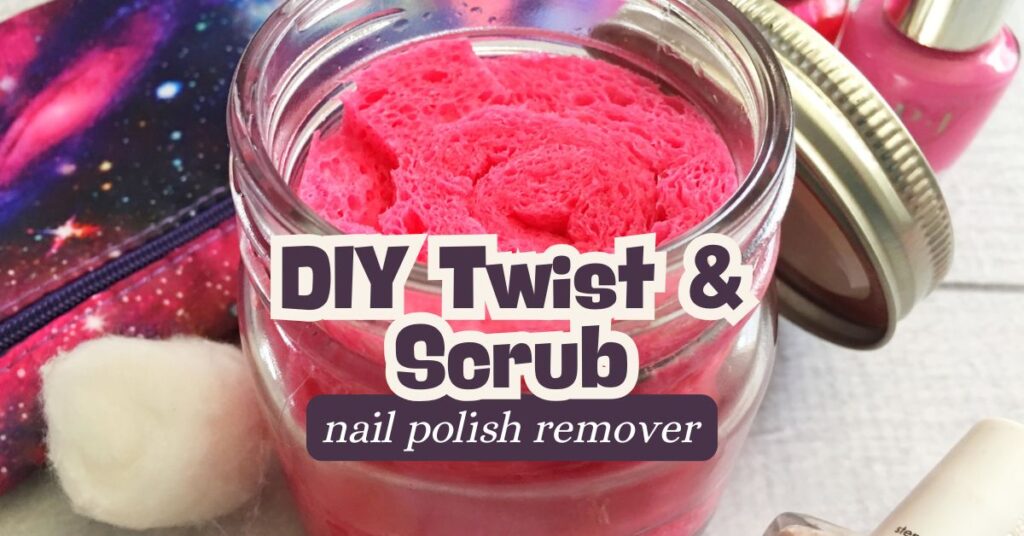
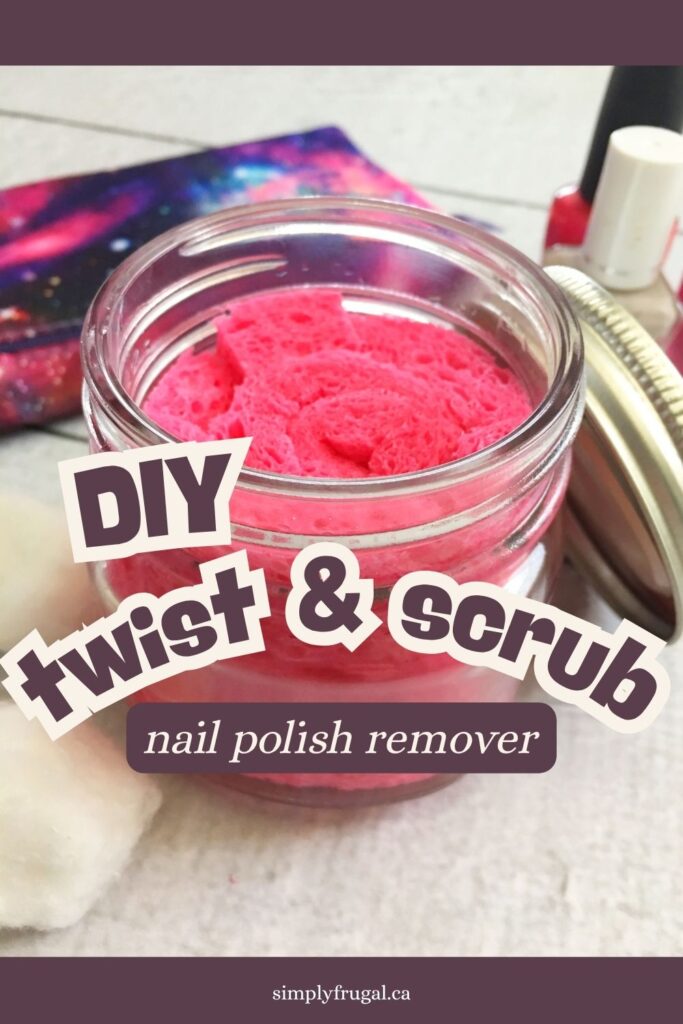
Removing nail polish isn't exactly difficult, but sometimes you just want a quick and mess-free way to get the job done—especially when you're in a hurry or have kids who want to do everything themselves!
These DIY "twist and scrub" nail polish remover jars are super convenient. No cotton balls, no dripping remover, and no messy cleanup. Simply insert your finger into the centre of the sponge, twist it around a few times, and watch the polish disappear. It's a simple solution for quick polish changes at home.
The best part? You can easily make your own version of those convenient store-bought nail polish remover jars using just a few inexpensive supplies.
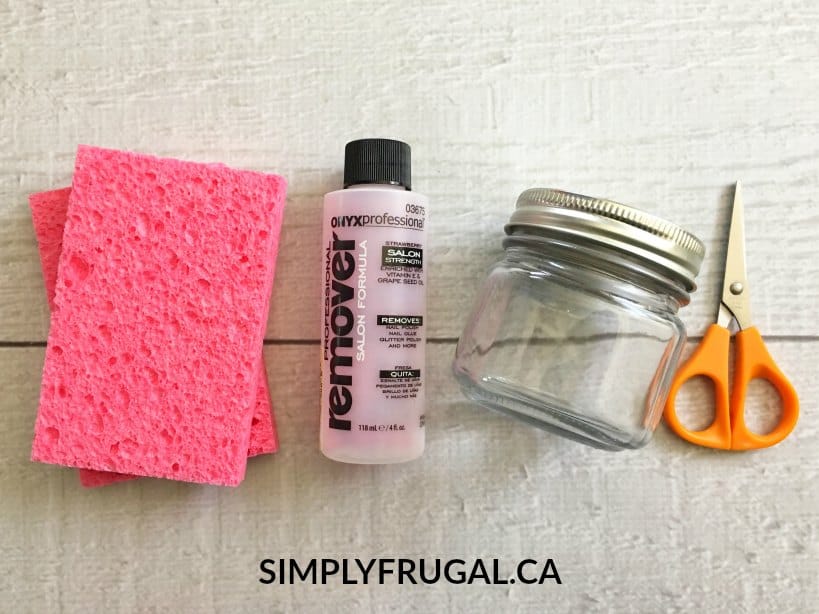
Here's how to make your own quick and easy DIY nail polish remover jar:
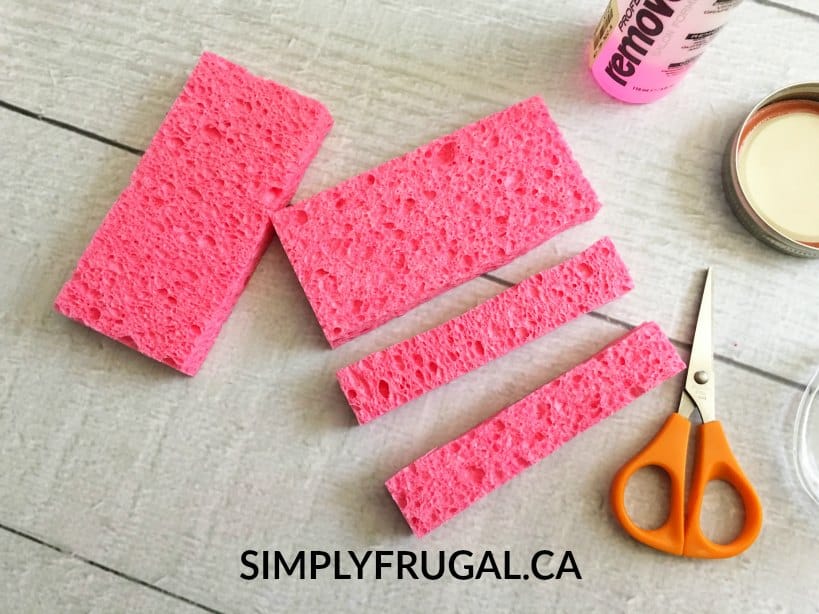
1. Cut 1/4" off the longest end of your sponges (or more if your Mason jar is shorter)
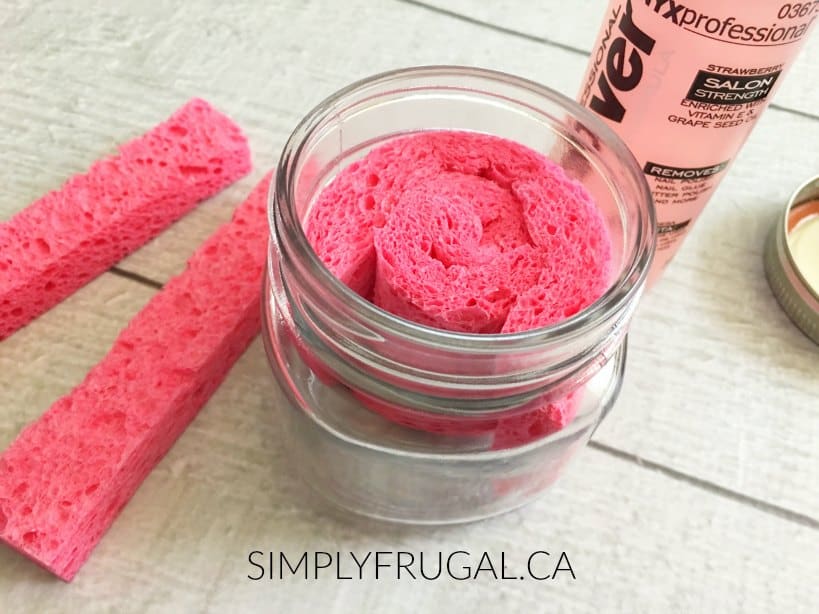
2. Roll your large sponge piece from short side to short side and place that sponge on top of your other large sponge and roll that sponge around your rolled sponge
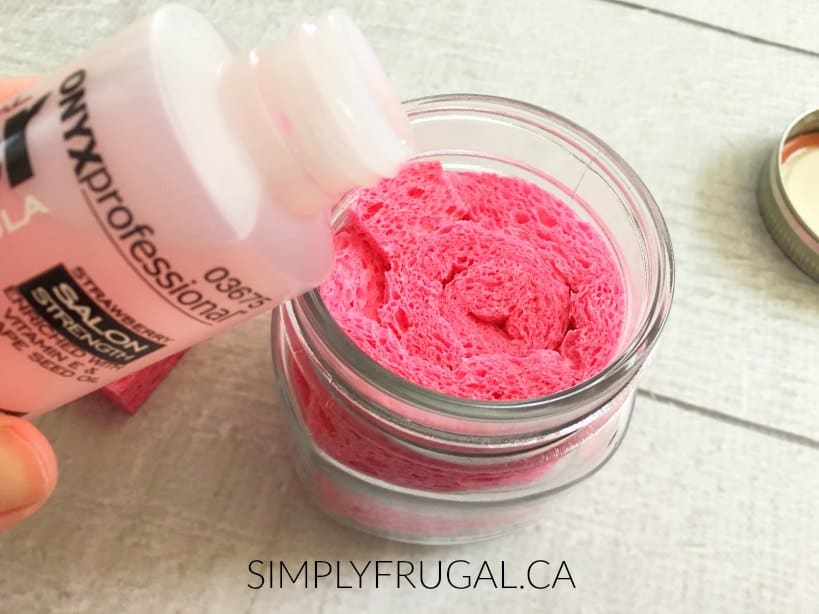
3. Push your rolled sponges into your glass jar with the rolled side facing up 4. Cut your scrub sponges small enough to fit in the empty spaces and place into the jar 5. Fill your jar halfway up with your Nail Polish remover
6. When you want use it, shake the jar with the lid on. Take the lid off and stick your polished fingers into the center and twist.
Once you've made one, you'll wonder why you didn't try it sooner! Keep your DIY twist & scrub nail polish remover jar in your bathroom or wherever you usually do your nails, and you'll always have an easy, mess-free way to remove polish when you need it. It's a small DIY that makes one of those everyday tasks just a little bit easier.
25 Clever Upcycling Ideas: New Uses for Old Things
One of the easiest ways to save money is to make the most of what you already own. Before heading to the store to buy another organizing gadget, cleaning tool, or household item, take a look around your home. You might already have something that can do the job just as well.
Learning to repurpose everyday items is a simple habit that can save you hundreds of dollars over time. Instead of throwing things away or buying something new, try looking at old items with fresh eyes. A basket can become storage, a mason jar can become a pantry organizer, and an old towel can find a whole new purpose around the house.
The more you practice this mindset, the easier it becomes to spot creative solutions using the things you already have. Not only does this help you spend less, but it also reduces waste and encourages a more intentional, frugal lifestyle.
Before you make your next purchase, ask yourself this simple question:
"Do I already own something that could work instead?"
You might be surprised by the answer.
To inspire you, I've rounded up 25 clever upcycling ideas and creative new uses for old things. I hope these ideas help you save money, reduce waste, and see everyday household items in a whole new light.
Living frugally isn't about constantly sacrificing or going without. More often, it's about getting creative with what you already own and finding new ways to make everyday items work for you. These upcycling ideas are a great reminder that many things we might otherwise throw away still have plenty of useful life left.
The next time you're about to buy something, pause for a moment and look around your home first. You might already have exactly what you need tucked away in a cupboard, closet, or storage bin. Not only can this simple habit save you money, but it also reduces waste, encourages creativity, and can even turn into a fun DIY project you'll be proud of.
Now I'd love to hear from you! Have you ever repurposed an old household item into something new? Share your favourite idea in the comments. You never know who you might inspire to save money and see their belongings in a whole new way!
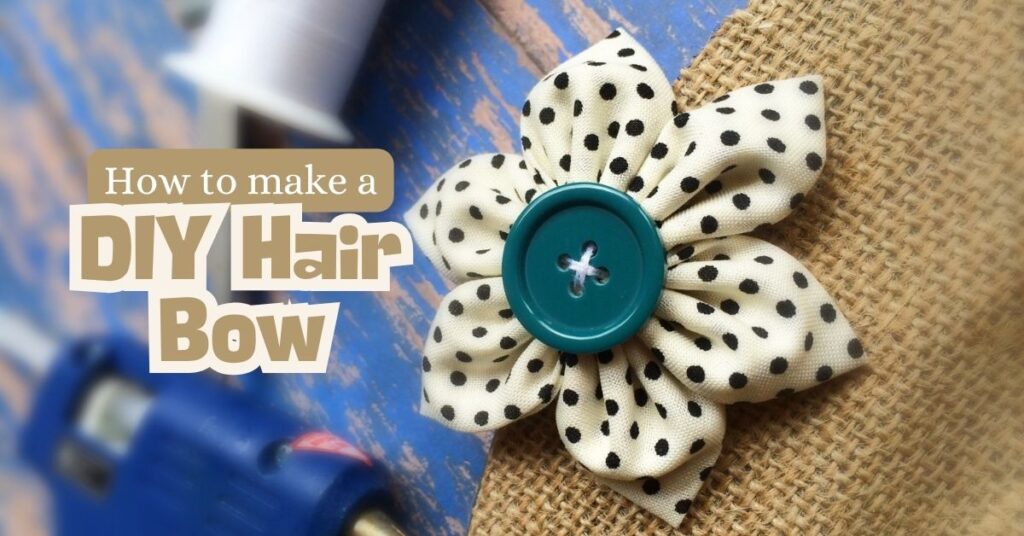
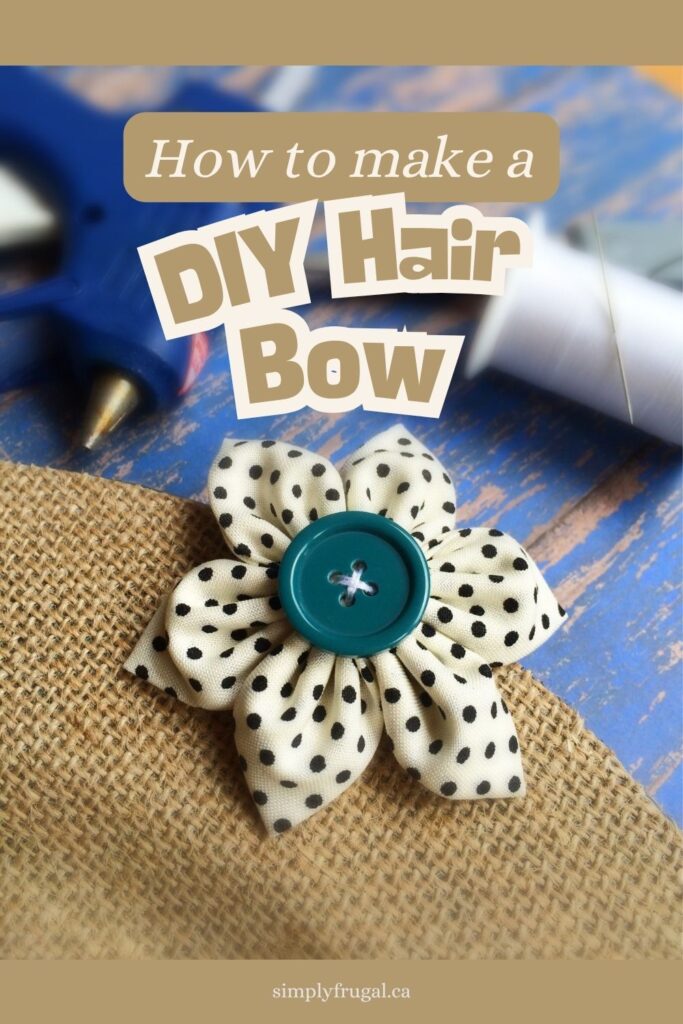
If you've ever wanted to learn how to make a DIY hair bow, you're in the right place! I'm so excited to share today's project because it's one of my favourite quick and easy DIYs.
My daughter has finally started letting me put hair clips in her hair, so I thought it would be fun to make a few custom bows just for her. Of course, if I'm feeling a little fancy, I might borrow one now and then too!
These DIY hair bows are simple, inexpensive to make, and come together in just a few minutes. They're perfect for beginners, make adorable handmade gifts, and are a fun way to create cute accessories that match any outfit. Once you see how easy it is to make a hair bow, you'll want to make them in every colour and pattern!
Here's how to make a cute DIY hair bow:
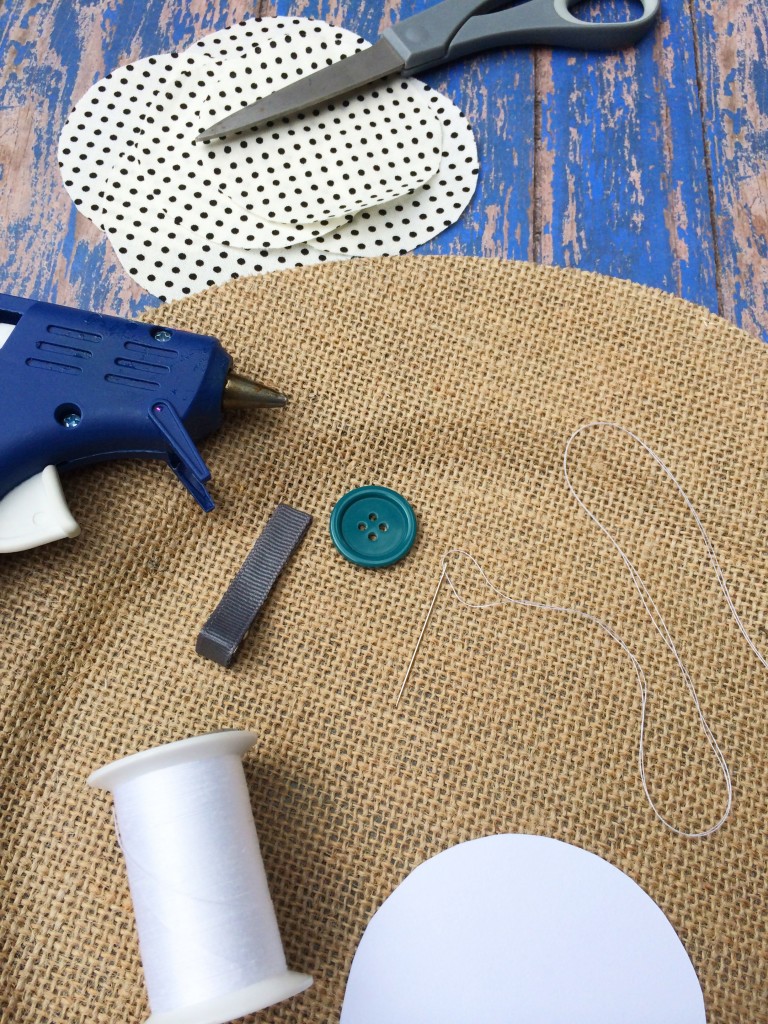
MATERIALS:
1/8 yard of any type of fabric (I typically like cotton)
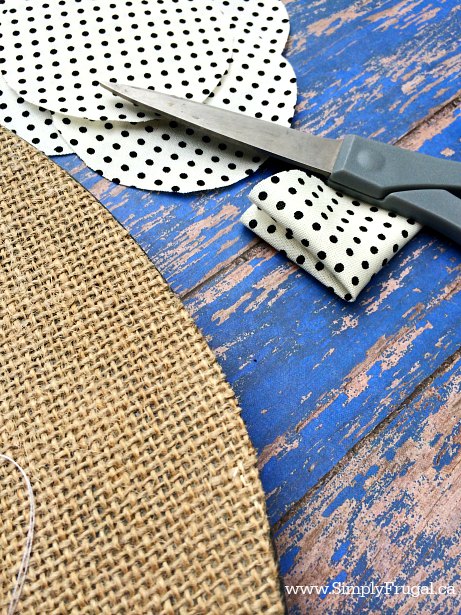
1. Trace your plastic cup top 6 times on fabric and cut your circles out (the bigger the circles, the bigger your flower) 2. Fold each circle in half twice so that they resemble a triangle. (you're going to want to do this one at a time.)
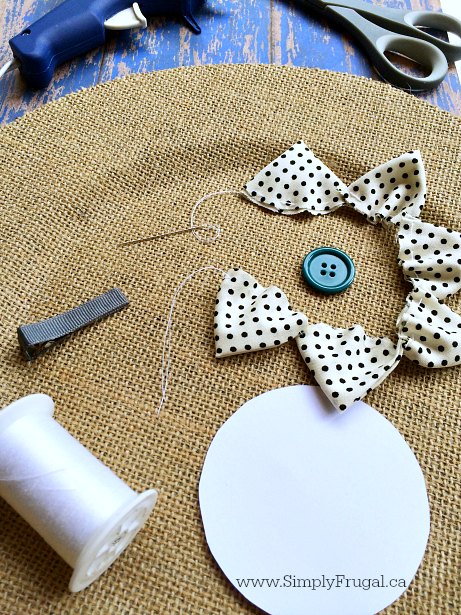
4. Weave your needle in and out along the rounded part of your triangle
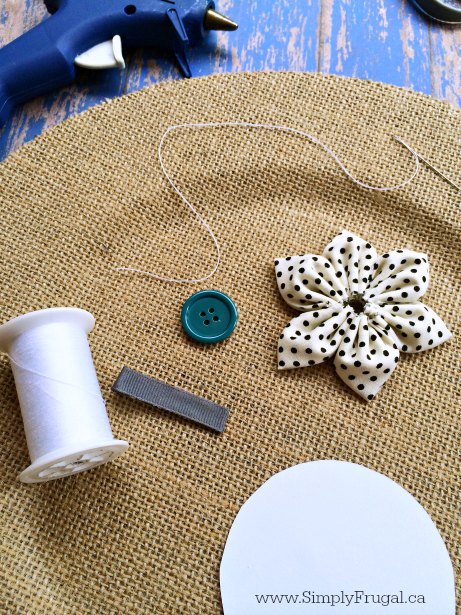
5. Repeat step 4 with all 6 triangles 6. Now that you have all 6 triangle pieces on your thread you can push them all together carefully
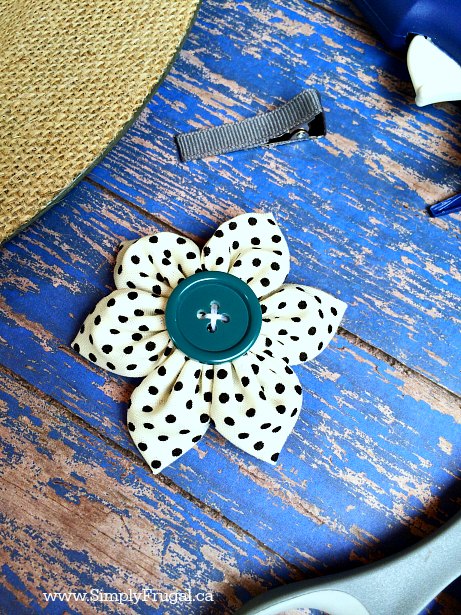
7. Tie off tightly 3 times so that your knot stays 8. Place your button of choice on top of the flower and begin sewing it to the inside of the middle of the flower
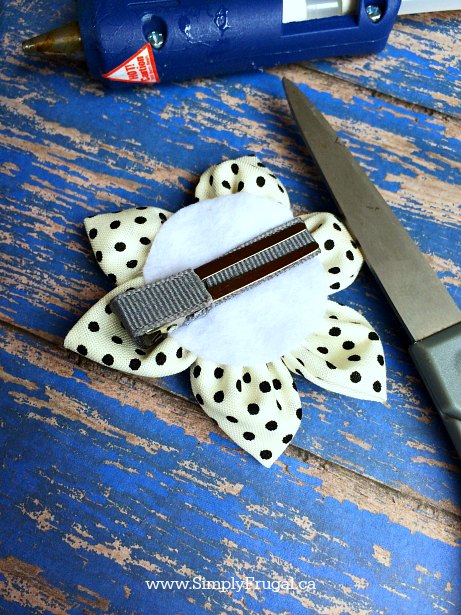
9. Now turn your flower around and hot glue your circle piece of felt (half dollar size) on the back of your flower 10. You can also glue a few small dots under your button to secure 11. Hot glue your pre lined alligator clip on the back
These DIY hair bows are such a fun and easy project, and they're perfect for all ages. Whether you're making them for your own little ones, giving them as thoughtful handmade gifts, or adding a few to your own accessory collection, they're sure to get plenty of use.
I hope you've enjoyed learning how to make a DIY hair bow and feel inspired to create your own. Have fun mixing and matching fabrics, colours, and patterns to make each bow unique. Happy crafting!