Grocery Shopping on a Budget: 7 Ways to Spend Less at the Grocery Store
Grocery shopping on a budget can feel like a challenge, especially when it seems like the total at the checkout keeps getting higher. The good news? You don't have to live on the cheapest foods you can find, give up your favourite meals, or spend hours chasing every deal to make your grocery budget go further.
A few simple changes to how you shop can help you spend less without sacrificing the foods your family enjoys.
After years of trying different money saving strategies, I've learned that grocery savings often come down to paying attention to prices, knowing when a deal is actually worth it, and avoiding the little purchases that add up over time.
If you're looking for practical ways to save money on your next grocery trip, here are seven habits worth putting into practice for grocery shopping on a budget.
1. Decide How Much You Can Spend Before You Leave Home
One of the easiest ways to lose track of your grocery spending is to shop without a clear dollar amount in mind.
Before heading to the store, decide how much you can comfortably spend on that particular trip. Your budget might be different for a small midweek shop than it is for a larger weekly grocery run.
Keep your budget realistic. If you know your family needs certain staples every week, make room for them rather than setting an amount that is difficult to stick to.
As you shop, keep a running tally of your purchases. You can use your phone's calculator, a budgeting app, or even a simple note on your shopping list.
Knowing how much you've spent before you reach the checkout gives you the opportunity to make adjustments while you're still in the store, rather than being surprised by the total at the till.
2. Compare Unit Prices Instead of Package Prices
A larger package isn't always the better deal, and the cheapest looking item isn't necessarily the least expensive option.
This is where unit pricing comes in handy. Unit pricing tells you how much a product costs per standard measurement, such as 100 grams, 100 millilitres, or one kilogram. You'll often find this information on the shelf label, although the format can vary by store.
For example, a large bag of cereal might cost less per 100 grams than a smaller box. However, if your family won't finish the larger package before it goes stale, the smaller one would make more sense.
Get into the habit of comparing unit prices on products such as:
Cereal, crackers, and other packaged snacks.
Cheese, yogurt, and dairy products.
Meat and frozen foods.
Cleaning and household supplies.
Canned goods and pantry staples.
Also compare store brands with name brands. In many cases, a less expensive alternative will do the job just as well.
The goal isn't to buy the biggest package or the cheapest product every time. It's to figure out which option gives you the best value for the way your household actually shops and eats.
3. Look Beyond the Front Page of the Flyer
Weekly grocery flyers are a useful starting point, but the advertised specials aren't the only opportunities to save.
Some of the best buys may be found on regular shelf prices, unadvertised markdowns, or products that are nearing their best before dates.
When you're shopping, keep an eye out for reduced price meat, bakery items, and produce. These can be excellent bargains if you have a plan to use them soon. You may be able to freeze meat or bread, for example, to make the most of the discount.
It's also worth comparing flyers from different stores before you shop. You don't necessarily need to visit several grocery stores every week, but knowing which store has the best price on an item you regularly buy can help you make a more informed choice.
One important reminder: a sale is only a saving if it's something you would have purchased anyway. Buying an extra package simply because the price looks good can quickly eat into your budget.
4. Be Strategic About Coupons and Cashback Offers
Coupons and cashback apps can help lower your grocery bill, particularly when you combine an offer with a product that's already on sale.
Canadian shoppers can look for digital offers through grocery store loyalty programs, printable or digital manufacturer coupons, and cashback apps.
Before using an offer, ask yourself three questions:
Is this a product I would normally buy?
Is the final price actually cheaper than comparable alternatives?
Will I use the product before it expires or goes to waste?
It's easy to get caught up in the excitement of saving a few dollars, especially when an offer looks particularly good. But spending money on something you don't need isn't a win for your grocery budget.
For the best results, check for applicable offers before shopping, rather than browsing deals in the store and adding unexpected items to your cart.
5. Make Your Grocery Store Loyalty Programs Work for You
If you regularly shop at the same grocery stores, their loyalty programs may offer useful ways to save.
Depending on the program, you might earn points on purchases, receive personalized offers, access member only prices, or redeem rewards toward future shopping trips.
In Canada, some programs also offer targeted promotions based on the products you buy. These can be helpful when the offers match items already on your shopping list.
A few ways to get more from these programs:
Check your digital offers before each shopping trip.
Activate offers when required.
Keep track of points or rewards before they expire.
Compare member prices with regular prices at other stores.
Redeem rewards strategically when they help with your grocery budget.
Just remember that loyalty programs are most useful when they reward spending you were already planning to do. Don't let the promise of extra points convince you to buy more than you need.
Buying in bulk can be a great way to reduce the cost of frequently used groceries, but it isn't automatically cheaper.
Before purchasing a larger package, compare the unit price and think about how quickly your household goes through the product.
Items that may be worth buying in larger quantities include rice, pasta, oats, canned goods, and frozen foods your family uses regularly. Meat can also be a good bulk purchase when the price is right and you have enough freezer space.
On the other hand, buying a large container of something your family rarely eats isn't much of a deal, even if the price per unit is low.
Think about storage, shelf life, and how much you can realistically use. If a bulk purchase is going to end up forgotten at the back of the cupboard or thrown away, the savings disappear.
Sometimes, it's not the main items in your cart that push you over budget. It's all the little extras you pick up along the way.
A snack you didn't plan to buy, a new drink to try, or a treat that catches your eye might not seem like much on its own. Add a few of these purchases to every grocery trip, though, and the total can become surprisingly high.
I'm not suggesting you should never buy treats or anything that's not on your list. Groceries are about feeding your family, but they're also about enjoying what you eat. Instead, decide which extras are worth the money to you.
Maybe you love having your favourite chips in the cupboard, but you don't care about trying every new snack that goes on sale. Perhaps you would rather spend a little more on a dessert everyone enjoys than buy several smaller treats that nobody is particularly excited about.
Being intentional about these purchases helps you protect your budget without feeling like you're missing out.
And if you do spot something unexpected that you genuinely want, take a moment to consider whether it fits into your budget before adding it to your cart.
Grocery Shopping on a Budget Doesn't Have to Be Complicated
Saving money on groceries doesn't require you to shop at five different stores, use every coupon available, or buy only whatever happens to be on sale.
Often, the biggest difference comes from a handful of small habits: setting a spending limit, comparing prices, making the most of rewards, and thinking twice before adding something to your cart.
You don't have to do everything perfectly, either. Start with one or two changes that feel manageable and see how they work for your household. Once they become routine, you can try another. The goal is to make your grocery budget work for your real life, not to make grocery shopping another full time job.
I'd love to hear from you! What's one thing you do to keep your grocery bill under control? Share your favourite grocery shopping on a budget tips in the comments below.
I've gone through the sales so you don't have to, pulling out Canadian deals, discounts, freebies and finds that I think are actually worth a look.
I don't share a deal just because something is marked 50% off. I'm looking for things that are useful, interesting, genuinely discounted, or worth knowing about if you're already shopping for them.
Why I Do This
I've been living a frugal lifestyle for almost 18 years, and finding a good deal has been part of that journey from the beginning.
I don't believe being frugal means never spending money. I believe it's about spending intentionally, knowing when to wait, knowing when something is actually a good price, and saving money on the boring everyday things so there's more room for the things you really care about.
That's what I'm trying to do with these weekly deals: help you spend less, not shop more.
Let's find some good deals. 👇
Like all of my other deal posts, this post contains affiliate links. You can read my disclosure policy here.
But if you're looking to save big on kids clothes, definitely check out the extra 50% off sale items! Another 50% off will be taken at the checkout. Make a list/inventory of what you need and go from there. Finally, use the coupon code ADDIT to save 20% more! (ends October 3, 2026)
Today only! Select joggers are $14 and $17 for women and girls online at Old Navy! (ends October 2, 2026) Also, save up to 50% off Fall Faves + an extra 30% off your purchase with coupon code BONUS. (ends October 6, 2026)
Oh man, I used to love getting clothes for my daughters from Carters when they were younger! They've got an ok sale on now too. Worth looking at if your kids need something specific, but personally, if you can wait, I'd wait for a better sale. Here's their offer: Save up to 40% off Fall Styles + get up to an extra 20% off when you use the coupon code SAVEMORE.
For a limited time only, save $20 off each activewear item you buy from Penningtons. Looks like there are some cozy things for our chilly weather! Also on sale for 30% off, are tops, bottoms, outerwear and denim!
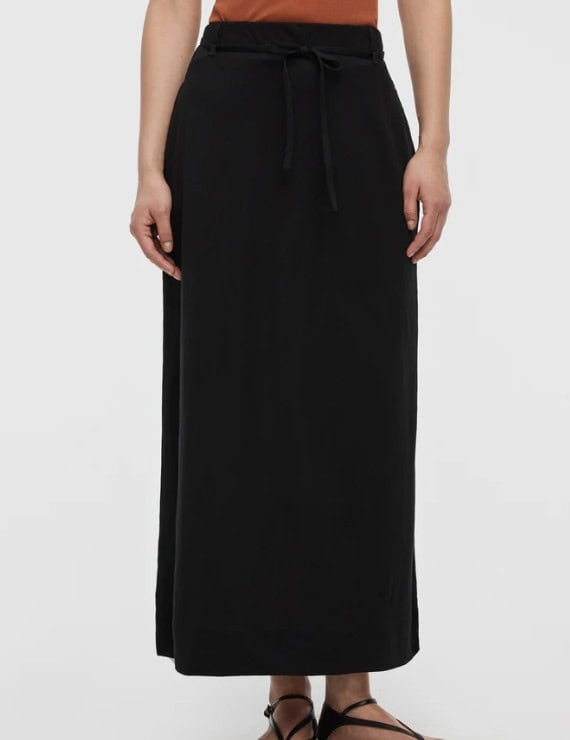
For a limited time only, save 40% off Hyba Activewear from Reitmans! Then save 25% off almost everything else. I'm really loving this skirt! It's 50% off and only $24.99. Looks easy to wear.
OFFLINE By Aerie OG Cotton Leggings are only $15! Also, take a look around the rest of the Aerie website as they are offering 30-40% fall faves. (ends October 5, 2026 at 5am ET) Deals to note: The Clearance is worth checking out! Steep discounts!
The Mid-Season clearance is on now at DSW! Save up to 50% off a huge selection of footwear! I spy some cute fall boots that are up to 66% off! Also these mary janes look so cute (I'm not even a shoe person!) and are 42% off. (ends October 12, 2026)
Some of the brands included: Attitude, Mint Cleaning, Jamieson, Green Beaver, Great Pretenders. Suku Vitamins, Happy, Natural Calm and more.
Well.ca is one of my favourite places to look when I need household, personal care or grocery items in one order. They have a unique selection of items too!
Buy 2 and save 20%, or buy 3 or more and save 30% online and in-store at The Body Shop! Also, get a FREE Pumpkin Shower Cream when you spend $80 or more. Use code Pumpkin at checkout.
Never tried Prime before? Try Amazon Prime FREE for 30 days! (Cancel anytime!) Fast, free shipping, exclusive deals, unlimited streaming on Prime Video, unlimited photo storage and more! Sign up now, use for Prime Big Deal Days (October 6-7) then cancel! Actually you can cancel right after you sign up and still get the 30 day trial.
Do you use a Kindle or the Kindle app for reading? Now you can sign up for a free 3 month subscription to Kindle Unlimited! With a subscription, you can enjoy unlimited access to millions of titles.
If you don't want to auto renew at $11.99 per month after the 3 month trial, you can cancel right away.
I love the SampleSource program! But the last couple of years I've missed it! I'm determined to snag some freebies this time though. I also want you to snag some freebies! SampleSource has announced that their Fall samples will be available soon. They don't give an exact date, but if you sign up, you will be notified by email when the samples are live.
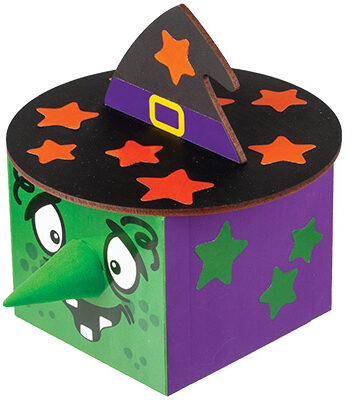
Build a Witch Candy Box! If you are looking for a fun activity to do with the family, The Home Depot has a great workshop for kids that will teach them about building. Kids can learn how to build their very own Witch Candy Box! Free workshop is October 10, 2026 anytime between 9am – 12pm.
The Ultimate Fall Bucket List: 95 Cheap & Free Things to Do This Fall
Fall is one of my favourite times of year. I love the crisp air, cozy sweaters, changing leaves, comfort food, and the way the light changes in the evenings.
But you know what I love even more? You don't have to spend a lot of money to enjoy fall.
Some of my favourite fall activities are really simple. A walk through the leaves, a cozy movie night at home, homemade apple crisp, or an afternoon spent at the library can be just as enjoyable as an expensive fall outing.
After nearly 18 years of living a frugal lifestyle, I've learned that saving money doesn't mean skipping out on the fun stuff. It's about finding ways to enjoy the things you love without automatically spending money every time you want to do something.
So, if you're looking for some fun things to add to your fall calendar, I've put together this ultimate fall bucket list for frugal people.
There are plenty of free and inexpensive ideas here for families, couples, friends, or anyone who just wants to enjoy the season without blowing the budget.
The Ultimate Fall Bucket List:
Get Outside
Go for a fall hike. The cooler temperatures make hiking much more enjoyable than those hot summer days.
Take a walk to see the fall colours. You don't need to go anywhere fancy. Check out your own neighbourhood or a nearby park.
Have a fall photo walk. Take your phone and see how many beautiful fall photos you can capture.
Go geocaching. Turn an ordinary walk into a little treasure hunt.
Take a scenic drive. Pack some snacks and explore an area you've never driven through before.
Have a picnic with a fall twist. Bring homemade sandwiches, apples, muffins and a thermos of something warm.
Try making homemade muffins instead of buying them.
Have an apple taste test. Buy a few different varieties and decide which one is your favourite.
Have a pumpkin spice taste test at home.
Free & Low-Cost Fall Challenges
Have a no spend weekend.
Have a fall themed no spend day.
Spend an entire afternoon without buying anything. Go for a walk, make something, read a book, bake or play a game instead.
Do a pantry challenge. See how many meals you can make from food you already have.
Have a "use what you own" decorating challenge. Rearrange your existing decor instead of buying new things.
Have a thrift-store-only costume challenge.
Try a month of homemade coffee.
Choose one expensive fall activity and find a cheaper alternative.
Make a list of 10 free things to do in your community and actually do them.
Don't Forget the Simple Stuff
One of the things I love most about frugal living is that the things that cost the least can sometimes end up being the things we remember the most.
You don't need to book a weekend getaway, spend hundreds of dollars on fall activities or buy a whole new collection of seasonal decor to enjoy autumn.
Sometimes it's as simple as:
Taking a walk while the leaves are changing.
Making soup on a chilly afternoon.
Reading a book with a cup of coffee.
Watching a movie under a blanket.
Baking something with apples.
Jumping in a pile of leaves.
Having friends over for dinner.
Exploring somewhere you've never been.
Spending an afternoon doing absolutely nothing.
That's the beauty of a frugal fall. You can enjoy the season without turning every activity into a shopping trip.
So grab your sweater, make yourself something warm to drink, and choose a few things from this list to add to your fall calendar.
And if you want to make your own fall bucket list, don't feel like you have to do all 95 things. Pick the ones that actually sound fun to you.
What are you going to add to your fall bucket list? What are some of your must-dos?
Way back in January 2008, I challenged myself to go an entire month without buying anything we didn't absolutely need. A month-long No Spend Challenge. The only things I allowed myself to pay for was groceries and monthly bills. My husband and I were newly married in 2007 and at the time I was working a seasonal job with winters off.
It wasn't because I wanted to become "the frugal person." I wasn't trying to make a statement or see how little I could live on. I simply wanted to take a closer look at where our money was going and stop buying useless junk that I usually ended up decluttering. I had a feeling we were spending more out of habit than necessity.
I expected the month to feel very restrictive. I imagined constantly telling myself "no" and counting down the days until it was over.
Instead, something unexpected happened.
The challenge forced me to slow down before buying anything. I started shopping my pantry and making meal plans before heading to the grocery store. I found creative ways to use what we already had. Instead of browsing the stores, I decluttered our house. I rekindled some hobbies. (I found uncompleted sewing projects while I was decluttering!) I realized how many of my purchases had been automatic rather than intentional.
By the end of those thirty days, we had saved money. But that wasn't the biggest surprise.
The biggest surprise was how much lighter I felt. I wasn't constantly chasing the next purchase or wondering where our money had gone. I realized that living frugally wasn't about deprivation. It was about being intentional with the money we worked so hard to earn.
That one month experiment ended, but the mindset never did.
Over the past 18 years, my version of frugal living has evolved. Some of the things I used to do no longer make sense. New tools and technology have changed the way I save money. But many of the habits I developed during that very first no-spend challenge are still part of my everyday life.
Looking back now, I've learned what truly saves money, what wastes time, and what purchases are worth every penny. If you're curious about what nearly two decades of frugal living has taught me, here's an honest look at what has changed, what hasn't, and the habits I still rely on today.
Table of Contents
What Frugal Living Looked Like 18 Years Ago
When I first started living more frugally, things looked a lot different than they do today.
There were no grocery pickup orders, cashback apps, or browser extensions that automatically searched for coupon codes. Forget about frequent Amazon deliveries! If you wanted to save money, you had to be much more hands-on.
Every week, I'd live for the coupon booklets (remember SmartSource?) and flyers that came in the Sunday newspaper. I'd sit down and cut out all the coupons, compare prices, and make my shopping list based on what was on sale. I would match the coupons up with items that were on sale, planned meals around store sales and often visited more than one grocery store if the savings made it worthwhile.
Meal planning quickly became one of my biggest money saving habits. Before heading to the store, I'd check the pantry, fridge, and freezer to see what we already had. Instead of deciding what sounded good for dinner, I'd build meals around ingredients that needed to be used first.
Cooking at home became the norm. We packed lunches, made coffee at home, baked more often, and stocked the freezer with freezer meals for the days I didn't feel like cooking. Leftovers were almost never wasted because they usually became lunch the next day.
We became experts in borrowing and accepting free things. Most of our furniture was given to us. We didn't care about aesthetics! We borrowed baby clothes from family and friends. Streaming services like Netflix and Prime didn't exist back then so we borrowed shows and movies. It was great because we could just give everything back when we were finished. Or donate our furniture with zero regrets.
We also found lots of free entertainment. Movie nights borrowed from the library, afternoons at the beach, hiking trails, and free community events became regular parts of our lives. Looking back, some of our favourite memories didn't cost much at all.
Of course, not everything I tried was a success. Like many people starting their frugal journey, I experimented with homemade cleaners, DIY projects, and every money saving tip I could find online. Some became lasting habits, while others quietly disappeared after I realized they weren't saving enough time or money to be worthwhile.
What I remember most, though, wasn't any specific trick or tip. It was the shift in how I thought about spending. Instead of asking, "Can I afford this?" I started asking, "Do I actually need this?" That one simple question probably saved us more money than any coupon ever could.
What Has Changed
While the heart of frugal living has stayed the same for me, the way I save money has definitely changed over the past 18 years.
Technology has made many things easier. Instead of flipping through paper flyers, I browse digital ones from my phone. I can compare prices online in minutes, order groceries for pickup to avoid impulse purchases, and use cashback apps and rewards programs without carrying around a stack of coupons and loyalty cards.
Shopping has changed too. Years ago, finding a good deal often meant driving from store to store. Now I can quickly compare prices, set price alerts, or wait for a sale without leaving the house. It saves both time and money.
I've also become much more selective about where I put my energy. I know that my time has value too.
Saving $2 isn't worth an extra hour of my day. Sometimes paying a little more is the better choice if it saves time. Besides, I've since learned that if I stop at another store for a deal, I usually end up buying more than more than I intended!
One of the biggest changes is that I no longer focus on being as cheap as possible. Instead, I focus on getting the best value.
For example, I've learned that buying a well made pair of winter boots that lasts for years is often cheaper than replacing inexpensive ones every season. A quality kitchen tool that gets used several times a week can be a smarter purchase than the cheapest option on the shelf.
I've also become much more intentional about what I bring into our home. In the beginning, I was excited whenever I found a great deal. Now I know that a bargain isn't really a bargain if it wasn't something I needed in the first place.
Perhaps the biggest change is that frugal living no longer feels like something I have to think about every day. It's just our way of life and doesn't feel restrictive.
The habits I worked so hard to build during those first few years have simply become part of how we live. Meal planning, checking the pantry before shopping, waiting before impulse purchases, and looking for good value all happen almost automatically now.
After 18 years, I've realized that frugal living isn't about constantly finding new ways to save money. It's about creating habits that make spending intentionally feel effortless.
What Hasn't Changed
Even though the way I save money has evolved over the years, I've been surprised by how many of the simplest habits are still the most effective.
Meal planning is still one of the biggest ways I save money. Taking just a few minutes each week to decide what's for dinner helps me avoid last-minute takeout, lessens food waste, and makes grocery shopping much less stressful. Eighteen years later, it's still one of the best returns on the small amount of time it takes.
I also still check my pantry, fridge, and freezer before making a grocery list. It's amazing how often I already have the ingredients for several meals hiding in plain sight. Using what we already own has always been one of the easiest ways to spend less.
Shopping with a list is another habit that has never gone out of style. I have a notepad on the fridge where I jot down the things we run out of right away so I don't forget something we use all the time. Whether I'm walking through the grocery store or filling an online cart, having a plan helps me stay focused and avoid impulse purchases.
Waiting before buying something I want has also saved me countless dollars over the years. Most purchases don't need to happen immediately. Giving myself a little time to think usually helps me decide whether it's something I'll truly use or just something that caught my attention in the moment.
We have probably saved thousands over the years by shopping secondhand or borrowing items. Often, we end up with better quality than we could have afforded buying new.
This leads me to my next topic. We avoid debt as much as we can. This means we buy everything we can, including used vehicles with cash. The only debt we have had is our mortgage, which we have since paid off by putting down the maximum allowed once a year on top of our monthly payments.
Another habit that has stood the test of time is taking care of what we already own. Cleaning, maintaining, and repairing things whenever possible helps them last longer and delays the need to replace them. Thanks to YouTube, my husband has fixed our washing machine, dryer and air conditioner! Looking after what you have is one of the most overlooked ways to save money.
More than anything, though, what hasn't changed is my mindset.
Frugal living has never been about saying "no" to everything. It's about spending with purpose. It's asking whether something adds real value to our lives instead of buying it simply because it's on sale, trendy, or convenient.
After 18 years, I've realized that the biggest savings rarely come from complicated tricks or extreme sacrifices. They come from small, consistent habits repeated over and over again. Those habits may not be exciting, but they've made a lasting difference in our finances. They've become such a natural part of life that I hardly think about them anymore!
The Habits I still Use Every Week
Here's a checklist of the habits I still use 18 years later:
I always meal plan. Not because I enjoy it. But because every meal I don't plan usually costs me more. Some weeks, I only have a rough idea and that still helps! I have a dedicated notebook for meal plans and I find it's helpful too look back at old plans when I need inspiration.
I check my pantry, fridge and freezer first. It's amazing how often dinner is already sitting there!
I wait before buying most things. With the exception of groceries, very few purchases need to happen in the end if I wait. I'll find I don't need it, have something similar already or I'll fix what I already have.
I compare prices. Not obsessively, just enough to know if I'm overpaying. This is also handy for you when I share deals in Instagram stories or Facebook!
I search for deals on family activities. If it's not a free activity, you can bet I will try my hardest to save us some money! This includes any flights or hotels we may need for travel.
I look for the best value, not just the lowest price. Especially at the grocery store.
I check Checkout 51 and Caddle for cashback offers that I can use as well as Rakuten if I'm making online purchases.
Here's my personal Weekly Frugal Checklist:
✓ Plan this week's dinners
✓ Check the pantry before shopping
✓ Make (and stick to) a grocery list
✓ Review upcoming sales
✓ Wait before buying non-essentials
✓ Use leftovers for at least one meal
✓ Declutter one small area before buying new
What I No Longer Bother Doing
When I first started living frugally, I was willing to try just about every money-saving tip I came across. But over the years, I have learned that some things just aren't worth it to me anymore. Here's what I don't do anymore:
drive across town to save $2
make everything from scratch
keep hundreds of coupons
buy things just because they're on sale
feel guilty about spending money
stocking up on things we won't use
buy cheap products that wear out
trying to be a "perfect" frugal person (confession: we don't budget and I really love spending money on restaurant meals and coffee out.)
Where I Happily Spend Money
Yes, frugal people absolutely spend money! Here's what our family chooses to spend money on:
Good shoes. But almost always on sale!
A quality vacuum. If you maintain it, a good quality vacuum will last years!
Kitchen appliances we use daily. When you buy good quality, you don't have to replace them very often! Our KitchenAid stand mixer and toaster are still going strong after almost 20 years!
Travel. We love to travel! We save money in other areas of our life so we can splurge a bit while we travel. But I live for travel deals!
Extracurricular activities. We highly value extracurricular activities. These days, that looks like competitive dance and gymnastics for our daughters. A lot of money goes towards these but the benefits far outweigh the price. My husband is currently dealing with a knee injury, but he also plays soccer.
Experiences. Our family often does free or cheap activities, but love to do the occasional amusement park or similar activity!
High-quality winter clothing. It's not fun being cold or wet in the winter. The sorels I bought as a young adult are still in excellent condition, no regrets!
Coffee with a friend and dinner/lunch out. I mentioned that I love a meal or coffee out. Firstly, I don't have to cook or clean up after. But secondly, I love the time spent connecting with someone I care about.
Books. I love borrowing books and audiobooks from the library, but my husband and oldest like to buy books.
What I'd Tell Someone Starting Today
If you're just starting to live more frugally, my biggest piece of advice is this: don't try to change everything all at once.
When I began my month long no spend challenge 18 years ago, I had no idea it would completely change the way I thought about money. I certainly didn't adopt every frugal habit overnight. The biggest changes happened gradually, one small habit at a time.
Start with one thing that feels manageable. Maybe it's meal planning once a week. Maybe it's making granola bars instead of buying them. Maybe it's checking your pantry before grocery shopping or waiting 24 hours before buying something you want. Small habits may not feel life changing in the moment, but when you repeat them week after week and year after year, they add up in ways you can't imagine.
I'd also encourage you to stop comparing your journey to anyone else's. Frugal living isn't a competition to see who can spend the least money or make the most things from scratch. It's about making thoughtful decisions with the money you have and building a life that reflects your priorities.
Finally, remember that frugal living isn't about deprivation. It's about freedom. It's about creating breathing room in your finances, reducing financial stress, and spending confidently on the things that truly matter to you. If you can shift your mindset from "What am I giving up?" to "What am I gaining?" you'll find that living frugally feels far more rewarding than restrictive.
Looking back, I'm so grateful I decided to try that no spend challenge all those years ago. I thought I was learning how to spend less, but what I was really learning was how to live with more intention. And that's a lesson that's been worth far more than the money we've saved along the way.
After 18 years, I'm still learning, still adapting, and still finding new ways to spend more intentionally. Frugal living has never been about having less. It has always been about making the most of what we have.
Now I'd love to hear from you: What's one frugal habit you'll never give up? Share it in the comments below!
How to Live on One Income: 10 Things You Need to Do
Learning how to live on one income is about much more than finding a few ways to save money at the grocery store.
When one income supports an entire household, you need to think differently about your money. There isn't another paycheck to fall back on when the budget gets tight, and there may be less room for unexpected expenses.
That doesn't mean living on one income has to feel restrictive. It does mean you need to be intentional.
After almost 18 years of living frugally, I've learned that the families who successfully live on one income aren't necessarily the ones who are the best at finding coupons or never spend money. They're the ones who have systems and habits that make their money stretch.
If you're wondering how to live on one income, here are some of the things I think you really need to do.
1. You need to know exactly where your money is going
This is the place to start. You can't successfully live on one income if you don't know how much money is coming in and where it's going.
Take a close look at your last few months of spending. Don't just look at your regular bills. Look at everything. How much are you actually spending on groceries? Takeout? Clothing? Kids' activities? Amazon purchases? Entertainment? Home improvement? Random little purchases?
You don't need to judge yourself for what you find. The goal is simply to see the reality of your spending.
Once you know where your money is going, you can decide whether that's where you actually want it to go.
2. You need a budget that works with your real life
A budget shouldn't be a list of numbers that looks great on paper but falls apart two weeks into the month. If you're learning how to live on one income, your budget needs to account for the things that actually happen.
Birthdays happen. Cars need repairs. Kids grow out of their clothes. School expenses come up. Christmas happens every year.
Instead of treating these things as unexpected expenses, start planning for them.
Create categories for expenses that don't happen every month and set aside money for them throughout the year.
For example, if you know you'll spend approximately $600 on Christmas, saving $50 a month makes that expense much easier to handle when December arrives.
A good budget doesn't just tell you what you can spend. It helps you prepare for what's coming.
3. You need an emergency fund
When you're living on one income, an emergency can put a lot more pressure on your finances.
That's why having some money set aside for unexpected expenses is so important.
You don't have to build a huge emergency fund overnight. Start with whatever amount you can manage and keep building it over time. The first goal might be $500. Then $1,000. Eventually, you can work toward having several months of essential expenses saved.
The important thing is to actually keep this money available for genuine emergencies rather than treating it as extra spending money. When something goes wrong, having savings can keep a bad month from becoming a financial crisis.
4. You need to stop depending on credit for everyday expenses
If you're regularly putting groceries, clothing, entertainment or other everyday expenses on a credit card because there's not enough money in your bank account, it's time to take a hard look at your budget.
Credit can make a tight month appear easier than it really is.
But eventually, those purchases have to be paid for and interest can make them cost even more.
Living on one income means learning to work within the money you actually have available.
That may mean saying no sometimes. It may mean waiting until you have saved enough to make a purchase. And it may mean adjusting your expectations when the budget doesn't allow for something. That's not always easy, but it's an important part of making one income work long-term.
5. You need to know your family's priorities
You can't spend money on everything. And honestly, you shouldn't try.
One of the biggest lessons I've learned from frugal living is that saving money becomes much easier when you know what you're actually saving for.
Maybe your priority is being debt free. Maybe it's travelling as a family. Maybe it's being able to afford dance lessons, sports or other activities for your kids. Maybe it's having enough savings that an unexpected bill doesn't derail your month.
Once you know what matters most, it's easier to decide what doesn't.
You don't have to cut every enjoyable expense. You simply need to stop spending money on things that aren't important to you while telling yourself you can't afford the things that are.
6. You need to become comfortable saying "not right now"
This is a surprisingly important skill when you're living on one income.
There will be things you want that you can't afford right now. That doesn't necessarily mean you'll never be able to afford them. Sometimes the answer simply needs to be: "Not right now."
Maybe you wait for a sale. Maybe you save for it. Maybe you buy it secondhand. Maybe you put it on a Christmas or birthday wish list.
Learning to wait instead of immediately buying something can completely change your spending habits.
And sometimes, after waiting a while, you'll realize you don't even want the item anymore!
7. You need to plan for the expenses you know are coming
Some expenses aren't emergencies. They're just expenses that don't happen every month.
Car insurance. Property taxes. Back to school shopping. Christmas. Annual memberships. Home maintenance. Clothing. Birthdays.
If you know they're coming, they shouldn't be a surprise.
Make a list of your larger annual expenses and figure out approximately how much you'll need for each one. Then divide that amount by the number of months you have to save.
Even setting aside a small amount every month can make these expenses much less stressful. This is one of the biggest differences between being surprised by your expenses and being prepared for them.
8. You need to learn how to make things last
When you're living on one income, replacing things every time they get a little old can get expensive.
That doesn't mean you should keep something that's unsafe or no longer functional. But before automatically replacing something, ask whether it can be repaired, cleaned, maintained or used a little longer.
Take care of your car. Maintain your appliances. Repair clothing when it's worth repairing. Look after your furniture. Keep your home maintained.
And when something genuinely needs replacing, look for a good quality option at a reasonable price rather than automatically buying the cheapest thing available. Frugal living isn't always about buying the cheapest option. Sometimes buying something good and taking care of it is the more frugal choice.
9. You need to have a plan for "fun money"
This one is important because living on one income shouldn't mean that every dollar is accounted for and nobody gets to enjoy anything. Build some fun into your budget! It doesn't have to be a lot.
Maybe it's a family restaurant meal once a month. Maybe it's money for each person to spend however they want. Maybe it's a vacation fund that you contribute to every month.
Having some money set aside for enjoyment can actually make it easier to stick with your budget because you don't feel like you're constantly depriving yourself.
You're allowed to enjoy your money! The goal of frugal living isn't to spend nothing. It's to spend your money intentionally.
10. You need to have a plan for what happens if your income changes
When your household depends on one income, it's worth thinking about what would happen if that income suddenly disappeared or decreased.
This doesn't mean living in fear. It simply means being prepared.
An emergency fund is part of this. So is keeping your monthly expenses manageable and avoiding unnecessary debt.
It's also helpful to know what expenses you could immediately reduce if you needed to. Which subscriptions could you cancel? What spending could you temporarily stop? Which expenses are essential and which could wait?
Having a plan before you need one can make a difficult situation much easier to navigate.
Learning How to Live on One Income Takes Planning
Living on one income isn't about becoming the family that never spends money. It's about creating a financial life where your one income can cover your needs, prepare you for future expenses and still leave room for the things your family enjoys.
And you need to become comfortable making intentional choices about what gets your money, and what doesn't.
Some months will be harder than others. There will be unexpected bills and times when it feels like there's too much month left at the end of the money.
That's normal.
The goal isn't to create a perfect budget where nothing ever goes wrong. The goal is to build a financial system that gives your family some breathing room when life doesn't go according to plan.
And that's really what learning how to live on one income is all about.
How to Get Your Finances Under Control: 8 Simple Steps to Feel More in Charge of Your Money
Do you ever look at your bank account and wonder, “Where did all my money go?”
Maybe you're making enough to cover the bills, but there's never quite enough left over. Maybe unexpected expenses keep throwing your budget off track. Or maybe you simply feel like you're working hard for your money but aren't really in control of it.
I've been living frugally for almost 18 years, and one thing I've learned is that to get your finances under control, it's not about becoming super restrictive or never spending money again. It's about knowing where your money is going, making intentional choices, and creating a little breathing room.
You don't have to fix everything at once. Start with one step, then work your way through the rest.
Here are 8 simple ways to get your finances under control and feel more confident about your money.
1. Figure Out Where Your Money Is Going
Before you can change your finances, you need to know what's actually happening with your money.
For at least one month, track your income and expenses. Go through your bank and credit card statements and write down your regular bills, subscriptions, groceries, transportation, debt payments, spending money and everything else.
Don't worry about judging yourself while you're doing this. You're not trying to prove that you're "good" or "bad" with money. You're simply gathering information.
Once you can see where your money is going, you'll probably start noticing a few things you can change.
When money feels tight, it helps to prioritize your spending.
Start with the things you genuinely need to keep your household running: housing, food, utilities, transportation, insurance, basic household needs and other essential expenses.
Then look at everything else.
This doesn't mean you can never spend money on fun things. It simply helps you understand the difference between "I need this" and "I want this." That distinction can make a surprisingly big difference.
Negotiate or compare some of your regular household bills?
Small changes add up.
And remember: saving money doesn't always mean spending less. Sometimes it means spending more intentionally to get better quality/value.
4. Build Some Emergency Savings
One of the best ways to feel more in control of your finances is to have money set aside for the unexpected.
Because unexpected expenses aren't really unexpected. Eventually, the car needs a repair, the appliance breaks, the dentist bill arrives or something else comes along that you didn't plan for.
If you have no savings, those expenses can quickly turn into credit card debt.
If you're starting with nothing, don't worry about building a huge emergency fund overnight. Start with whatever amount feels achievable.
Your first goal might be $500. Then $1,000. Eventually, you can work toward having several months of essential expenses saved, depending on your circumstances.
The important part is getting into the habit of regularly putting money aside. Even a small automatic transfer every payday can help.
5. Make a Plan for Your Debt
If you have debt, don't simply make the minimum payments and hope it eventually disappears.
Take a look at what you owe, the interest rates you're paying and the minimum payments required.
Then choose a repayment strategy that works for you.
Some people prefer the debt avalanche, where they focus on the debt with the highest interest rate first. Others prefer the debt snowball, where they pay off the smallest balance first for those motivating early wins.
Neither approach has to be perfect. The best strategy is the one you can actually stick with.
And don't forget that paying down high-interest debt can be an important part of creating more room in your future budget.
As you pay things off, resist the temptation to immediately replace that payment with new spending. Instead, consider redirecting some of that money toward savings, future goals or other priorities.
6. Give Your Money a Job
One of the biggest changes you can make is to stop thinking about your money as one big pile.
Instead, give it a purpose. Your income might need to cover:
Monthly bills
Groceries and household expenses
Debt payments
Emergency savings
Annual or irregular expenses
Short-term goals
Fun money
Long-term savings
This is where sinking funds can be incredibly helpful. A sinking fund is simply money you set aside little by little for an expense you know is coming. Christmas. Property taxes. Car repairs. Back to school shopping. Annual memberships. Home maintenance.
When the expense finally arrives, you're not scrambling to find the money because you've already been preparing for it.
7. Stop Trying to Be Perfect
This might be one of the most important pieces of financial advice I can give you.
You don't have to be perfect with money.
There will be months when you spend more than planned. There will be unexpected expenses. You'll occasionally buy something you didn't need. You'll have birthdays, vacations, holidays and other occasions where your spending looks very different from an ordinary month.
That's life.
Getting your finances under control doesn't mean you never overspend or make a mistake. It means you notice what happened, make adjustments and keep going.
A bad financial week doesn't have to turn into a bad financial year.
8. Focus on Increasing Your Financial Breathing Room
Sometimes there simply isn't enough room to cut.
If you've already reduced your expenses as much as reasonably possible and you're still struggling, the answer may not be another $10 expense to eliminate.
That could mean asking for a raise, taking on occasional freelance work, selling things you no longer need, picking up additional work or finding another way to bring in extra money.
And if your financial situation is complicated or you're unsure what to prioritize, consider getting advice from a qualified financial professional who can look at your individual circumstances.
Remember, frugal living isn't about squeezing every last dollar out of your life.
It's about making the most of the money you have.
What Does Being in Control of Your Finances Actually Look Like?
It doesn't necessarily mean having a huge savings account or being completely debt-free.
It might simply mean:
You know how much money comes in each month.
You know what your regular expenses are.
You're not constantly wondering where your money went.
You have some money set aside for unexpected expenses.
You're making progress on your financial goals.
You're spending on the things that matter to you.
You're not letting every sale or tempting purchase make the decision for you.
That's financial control.
You don't have to achieve it all at once either. Start by looking at your numbers. Find one expense you can reduce. Set aside a small amount of savings. Make a plan for one debt.