Grocery Store Tricks That Make You Spend More Money
Did you know that grocery stores use a variety of sneaky tactics to encourage shoppers to spend more? While these strategies are smart from a business perspective, they're not always great for those of us trying to lower our grocery bills and stick to a budget.
Many of these grocery store tricks that make you spend more money work because they target impulse purchases. Think about your last grocery trip. How many items ended up in your cart that weren't on your shopping list? Most of us have been there!
The good news is that once you recognize these tactics, you can make more intentional shopping decisions and keep more money in your pocket. Here are seven common grocery store tricks that make you spend more money and how to avoid falling for them.
1. Buy One, Get One Free Deals
Everyone loves getting something for free.
At first glance, there's nothing wrong with a Buy One, Get One Free promotion. Especially if it's an item you already planned to purchase. The problem is when the deal convinces you to buy something that wasn't on your list.
While you're technically getting a free item, you're still spending money you may not have intended to spend in the first place. This is one of the most effective grocery store tricks that make you spend more money because it creates a sense of urgency and value that can be hard to resist.
Free samples seem harmless, but they're surprisingly effective at influencing purchasing decisions. The combination of smelling and tasting a product can make you much more likely to buy it.
Even if you don't purchase the item right away, you've now been introduced to it. The next time you see it on sale, you may be more tempted to add it to your cart.
Costco isn't the only store that offers samples, but they're certainly known for them. Enjoy the free snack, but remember that free samples are one of the classic grocery store tricks that make you spend more money.
3. Giant Shopping Carts
Shopping carts are convenient, but have you noticed how large they've become?
The bigger the cart, the emptier it feels when you only have a few items inside. Stores know this and hope you'll continue filling it with products you didn't originally plan to buy.
To avoid overspending, bring a shopping list and stick to it. If you're only picking up a handful of items, consider skipping the cart altogether and carrying a basket, or just your items.
4. Strategic Store Layouts
You walk into the store for milk and leave with bananas, chips, and a few sale items you didn't plan on buying.
Sound familiar?
There's a reason for that. Essential items like milk, eggs, and bread are often placed at the back of the store. This forces you to walk through multiple aisles, increasing the chances that you'll spot something tempting along the way.
Store layouts are carefully designed to expose shoppers to as many products as possible, making this one of the most powerful grocery store tricks that make you spend more money.
5. End Caps
End caps are the displays located at the ends of grocery store aisles.
Because these displays are highly visible, stores often use them to promote new products, seasonal items, or products with higher profit margins.
Just because an item is featured on an end cap doesn't necessarily mean it's the best deal. Always compare prices and ask yourself whether you actually need the product before adding it to your cart.
6. Clearance Bins
There's something exciting about finding a bargain.
The challenge is that clearance bins often encourage impulse purchases. You may find an item that seems like an incredible deal, only to realize later that you didn't really need it.
Before buying, compare the sale price to the regular price and consider whether the item solves a genuine need. Otherwise, you're simply spending money because something is discounted.
7. Checkout Displays
Checkout lanes are packed with candy, magazines, gum, drinks, and other small items for a reason.
As you wait in line, the store has your undivided attention. These products are strategically placed to encourage last-minute purchases that seem inexpensive on their own but quickly add up over time.
Checkout displays remain one of the most successful grocery store tricks that make you spend more money, especially when shoppers are tired or distracted after finishing their shopping trip.
Final Thoughts
Most of us have fallen victim to these grocery store tactics at one time or another. I know I certainly have! The good news is that understanding these grocery store tricks that make you spend more money can help you shop more intentionally, avoid impulse purchases, and keep your grocery budget under control.
Have you noticed any of these tricks at your local grocery store? Are there other sneaky tactics you've seen stores use to encourage shoppers to spend more?
Easy Ways to Save Money on Groceries Without Couponing
If you’ve ever felt overwhelmed by clipping coupons, searching for coupons, or spending hours trying to stack deals, you’re not alone. While couponing can absolutely save money, the truth is that most Canadians can still cut their grocery bill significantly without ever touching a coupon.
In fact, some of the most easy ways to save money on groceries come from simple everyday habits that don’t require a ton of extra time or effort.
If grocery prices have you feeling frustrated lately, these easy ways to save money on groceries can help you spend less while still feeding your family well.
1. Shop Your Pantry First
Before heading to the grocery store, take inventory of what you already have at home.
Most of us have:
half-used bags of pasta
canned goods hiding in the back of the cupboard
freezer meals forgotten for months
random ingredients that could become a meal
Creating meals from what you already own helps reduce waste and lowers how much you need to buy.
A simple “pantry night” once or even twice a week can save a surprising amount of money over time.
2. Stop Shopping Without a Plan
One of the easiest ways to overspend on groceries is shopping without a list or some kind of meal plan. Thankfully, you don’t need an elaborate system to stay organized. Even having a simple idea of what you’ll make for breakfasts, lunches, dinners, and snacks throughout the week can make a big difference.
Planning ahead helps reduce impulse purchases, prevents you from buying duplicate items you already have at home, and can even help you avoid expensive takeout later in the week when you’re tired and unsure what to make.
By taking a quick look at the sales flyers and building your meals around what’s on sale is also one of the simplest and most effective ways to naturally lower your grocery bill.
3. Buy Store Brands More Often
Many store-brand products are made in the exact same facilities as name brands, just with different packaging.
Try swapping these for generic/store-brand versions:
pantry staples
baking ingredients
canned goods
frozen vegetables
cleaning products
Most families barely notice the difference, but the savings add up quickly.
4. Avoid Grocery Shopping When Hungry
This tip is sounds so simple because it is! It's definitely one of my favourite easy ways to save money on groceries. Shopping while hungry makes almost everything look tempting, especially:
snacks
convenience foods
bakery items
impulse purchases near checkout
Even having a small snack before shopping can help you stick to your list and avoid unnecessary spending.
5. Use Flashfood
Have your heard of Flashfood? Or maybe you've seen the big freezers near the checkouts and wondered what they are? Flashfood provides fresh produce, meat, and more at up to 50% off! With the Flashfood app, find deals at your local grocery store and enjoy more for less.
Use my referral code TAYA7R74K to get $5 off your first purchase.
6. Use Grocery Pickup Instead of Browsing
If impulse shopping is your weakness, grocery pickup can be a game changer. Plus, someone else does the shopping for you!
Shopping online allows you to:
see your running total
remove unnecessary items easily
compare prices faster
avoid wandering aisles
Many Canadians find they spend far less using pickup compared to shopping in-store.
7. Focus on “Ingredient” Foods
Convenience foods usually cost significantly more.
Pre-cut fruit, snack packs, frozen meals, and individually packaged items may save time, but they can inflate your grocery bill quickly. Buying more basic ingredients instead can stretch your budget further.
Examples:
block cheese instead of shredded
oats instead of packaged oatmeal
large yogurt tubs instead of individual cups
whole vegetables instead of pre-cut trays
8. Reduce Food Waste
Throwing away food is throwing away money. One of the easiest ways to save on groceries is simply using what you buy.
A few helpful habits:
freeze leftovers before they spoil
keep produce visible in the fridge
rotate older items to the front
plan one leftover night weekly
Even small reductions in waste can make a noticeable difference in your monthly grocery spending.
9. Keep Easy “Backup Meals” at Home
Having a few cheap and easy meals available can help prevent expensive takeout nights.
Some affordable backup meal ideas:
pasta with sauce
grilled cheese and soup
breakfast for dinner
quesadillas
homemade fried rice
freezer chili
baked potatoes with toppings
Convenience doesn’t always have to come from restaurants.
10. Learn When Prices Are Actually Good
You don’t need coupons to save money on groceries. Simply paying attention to sales is one of the easy ways to save money on groceries and can make a big difference! When you notice an item you regularly use at a really good price, consider buying a few extra if your budget and storage space allow.
This strategy works especially well for pantry staples and household essentials like pasta, canned goods, frozen foods, toiletries, snacks, and paper products. Stocking up during sales means you’ll already have those items on hand later, helping you avoid paying full price when you eventually run out.
11. Stick to a “Good Enough” Grocery Budget
Saving money on groceries doesn’t have to mean spending hours extreme couponing, driving to multiple stores, or following a complicated budgeting system. In many cases, the most effective savings come from small, consistent habits that are easy to maintain long term.
Even modest changes, like trimming $20 off your weekly grocery bill, cutting back on unnecessary purchases, or ordering takeout a little less often, can add up to significant savings over the course of a year. The goal isn’t to grocery shop perfectly; it’s to create realistic habits that help you spend less without making life more stressful.
Final Thoughts
Saving money on groceries doesn’t have to feel extreme or exhausting.
Simple habits like meal planning, reducing food waste, buying store brands, and shopping with intention can make a huge difference over time. All without spending hours clipping coupons.
The goal isn’t perfection. It’s creating realistic grocery habits that work for your lifestyle, your family, and your budget.
Because honestly, the best easy ways to save money on groceries are usually the ones you can actually stick with consistently.
I'd love to hear your easy ways to save money on groceries! How do you save the most money? Let us know in the comments
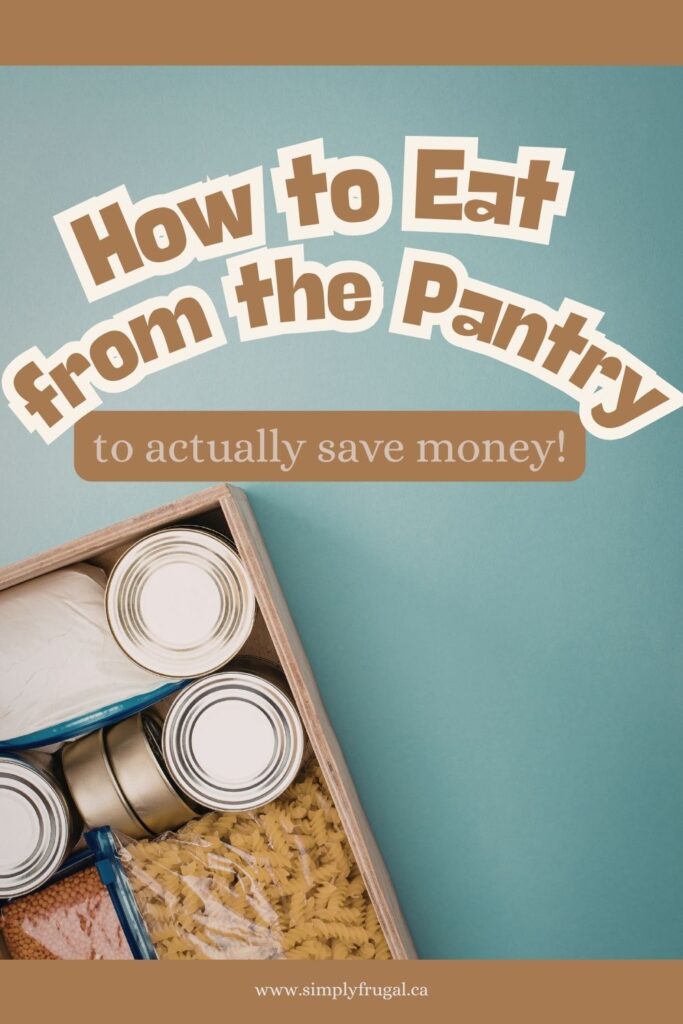
One simple way to save money is to take a break from grocery shopping for a week or two and challenge yourself to use what you already have stocked in your pantry and freezer. I like to think of it as “shopping” from my own kitchen! At least once a year, when I notice my pantry and freezer getting a little too full, I do a Pantry Challenge to use up what we already have on hand. It’s always surprising how many forgotten items I end up finding :P. Being intentional about using the food we’ve already purchased helps cut down on waste and saves our family a lot of money!
Here’s how we make it work for us:
Take Inventory
This is a major key to success in doing a pantry challenge for us. If I don't know what I have stuck in the nooks and crannies, then it's hard to make a plan of attack.
Meal Plan
Based on what I wrote on my inventory list, I'll come up with a meal plan that will carry us through until most/all of the food is eaten. I'm terrible at "inventing" meals so I'll usually add our tried and true recipes along with some really basic recipes that I've found via Pinterest or something. (I need a recipe to work with. Lol.)
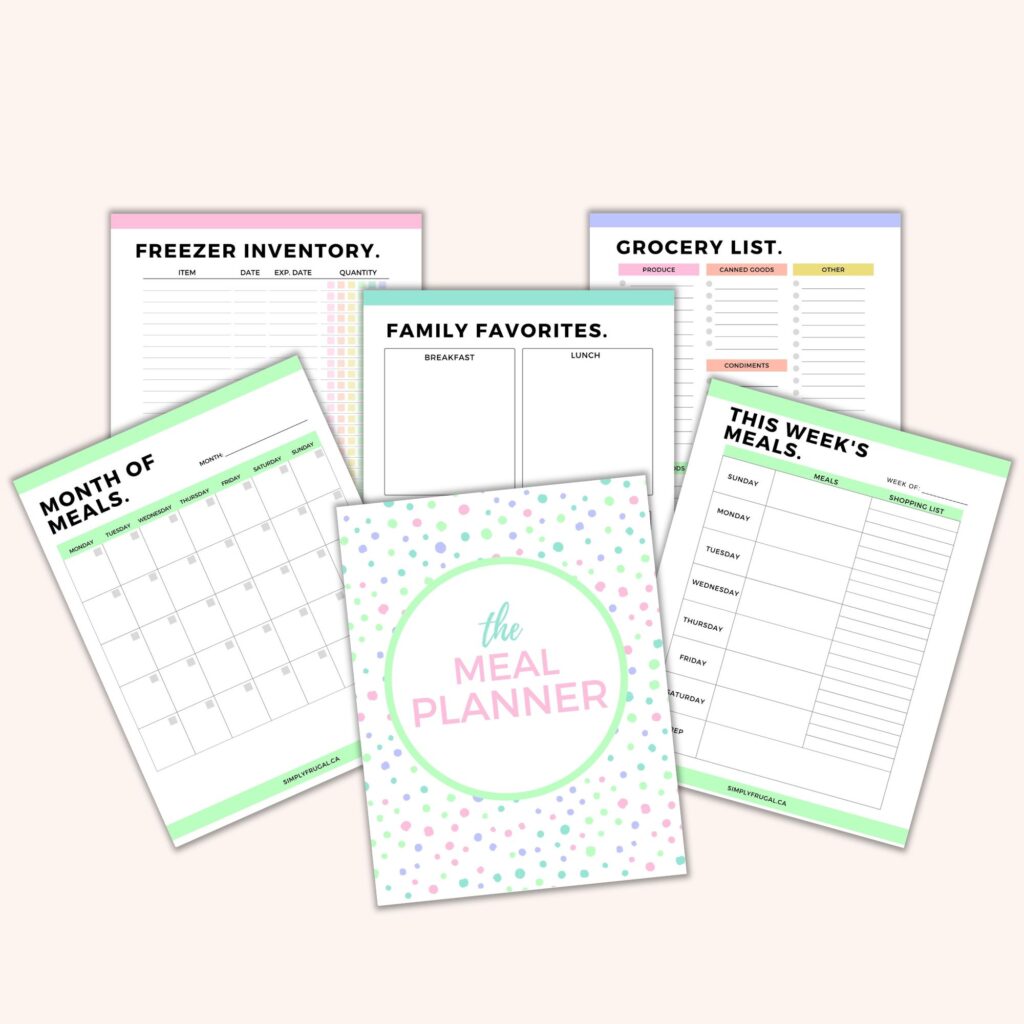
Check out The Meal Planner! I created the printable Meal planner to help make meal planning and saving money easy! The PDF includes:
18 pages
Monthly, Weekly + Daily meal planning worksheets
Meal brainstorming worksheets
Food inventory worksheets
Grocery lists
Price matching worksheet
Party Planning worksheet
Set a Goal
Having a goal or two when you embark on a Pantry Challenge is important. Usually when I eat from the pantry, I do a month long challenge. So one of my goals is to avoid any major grocery shopping for one month. Another goal I set is to only spend $25 a week on essentials (fresh fruit/vegetables, dairy, eggs). I think it would be impossible to do a month long challenge without shopping for some essentials. However, setting a goal of spending only $25 a week, for example, will still help significantly in keeping more money in the bank account!
Here's how you could make it work for you:
Make it a Game
Along with taking inventory, making a meal plan and setting a goal or two, turning a pantry challenge into a game can really add fun to meal time. Rather than thinking of a pantry challenge as a hard thing, why not see how long you can survive without going to the store. Or see what kind of wacky (edible) meals you can create to give the whole family a laugh.
Focus on what you do have rather than what you don't have
Be thankful for the deals & steals that you have already taken advantage of to fill your pantry and freezer, instead of thinking of all the ones you're missing out on in the grocery stores. Or, are you really wishing you had more rice? Find some new ways to love all those potatoes that you do have.
Get Creative
It’s time to get creative again! Whether it’s breakfast for dinner to finish up some pancake mix, using stale bread to make bread crumbs, cooking is about enjoying the process and breaking out of the mundane. Creativity comes when you have 12 boxes of pasta and need a new recipe. Or, think of all the ways you can use up that leftover ham and go for it!
Here's a list of basic meals that you should be able to create with some of your inventory:
There you have it! That's how to eat from the pantry to save money! Eating from the pantry is a great way to ensure that you don’t spend money when you don't have to and that you don’t find good food that has expired.
Have you ever tried a pantry challenge? If so, how long have you gone without going to the store?
Summer is almost here! Can you feel the sunshine, the excitement, and the busy days ahead?
Summer is the season for beach days, backyard BBQs, road trips, swimming, and making memories with the people you love most. It’s the perfect time to slow down a little, soak up the longer days, and enjoy more quality time with family and friends.
And let’s be honest. Every great summer moment usually revolves around good food!
The good news? Feeding your family healthy, homemade meals during the summer doesn’t have to mean spending hours in the kitchen. (Because who wants to do that when the weather is beautiful?) The secret is simple: meal prepping. With a little planning ahead, you can put together quick, delicious meals for any time of day while saving both time and money on takeout.
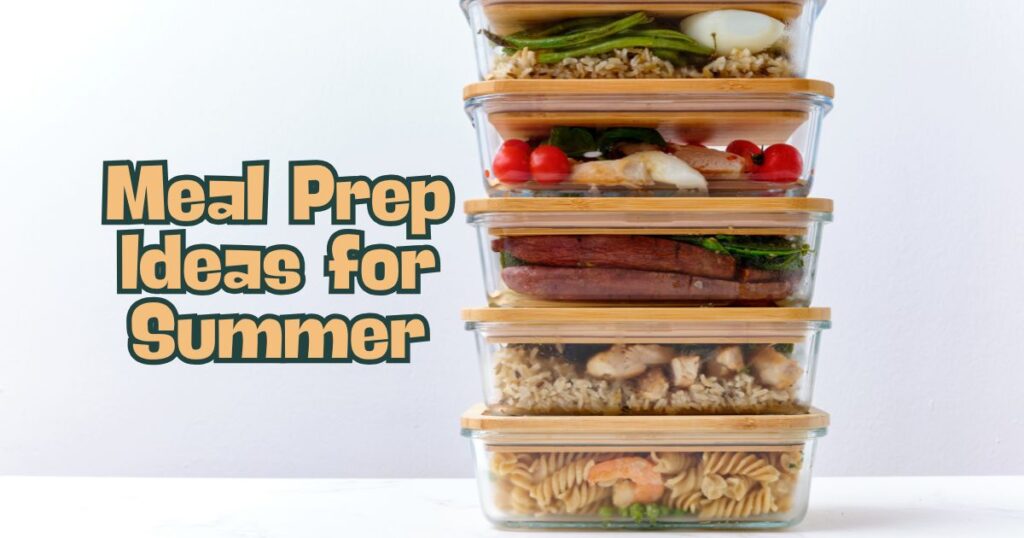
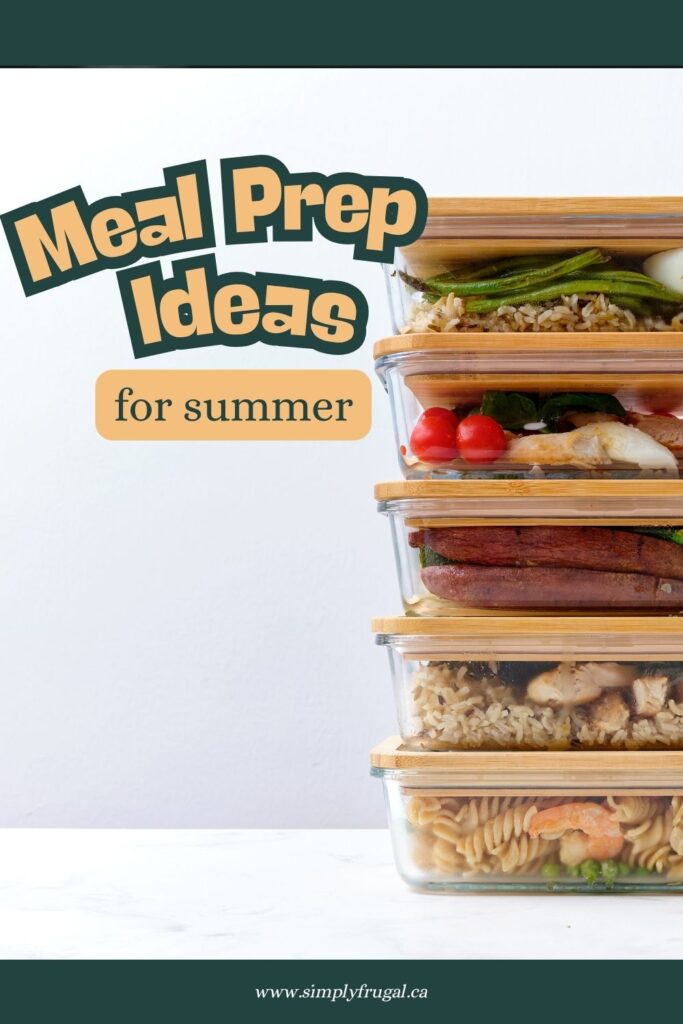
If you’re looking to simplify meals this summer, here are 10 quick and easy meal prep ideas the whole family will love.
Start by deciding what meals and snacks you want to prepare for the week ahead. Write down the recipes you plan to make, then create a shopping list with all the ingredients you’ll need. Having a plan in place makes grocery shopping easier and helps you avoid those last-minute takeout runs.
Start Multitasking
Save yourself time by cooking multiple things at once. Roast a tray of summer vegetables while baking chicken, or prep fresh ingredients while something cooks on the stove. A little multitasking can make meal prep feel much quicker and more manageable.
Don’t Overdo the Meal Prep
Try not to prep more than three or four days’ worth of meals at a time. Fresh summer produce doesn’t always last long in the fridge, and over-prepping can lead to spoiled food and unnecessary waste. Smaller batches help keep meals tasting fresh and delicious.
Use Your Grill
One of the best parts of summer is grilling season! Instead of heating up the kitchen with the oven, cook outdoors whenever possible. Grill chicken, burgers, fresh vegetables, or even fruit for easy summer meals the whole family will love.
Bonus tip: make extra meat while the grill is hot so you’ll have leftovers ready for lunches, salads, wraps, or quick dinners later in the week.
Prepare Raw Food
Summer is the perfect time to enjoy lighter, refreshing meals. Fresh vegetables like cucumber and zucchini pair well with so many dishes and are especially refreshing during hot weather.
Buy yourself this vegetable chopper and spiralizer to make quick work of produce prep. The spiralizer attachment is great for zucchini or cucumber to be tossed with pesto for a quick veggie noodle dish.
No-cook meal ideas like salads, canned beans, corn, fresh fruit, and snack plates are also great additions to your weekly meal plan.
Utilize Your Slow Cooker
Slow cookers aren’t just for chilly winter meals. They’re incredibly useful during the summer too! They allow you to cook without heating up the whole house.
Use your slow cooker to prepare shredded chicken, taco meat, beans, potatoes, carrots, or corn in large batches. Freeze leftovers in smaller portions for easy meals later on. And of course, the Instant Pot or an air fryer are other great options for quick summer cooking!
Choose Glass Containers Over Plastic
While plastic containers may be cheaper, glass containers are often the better long-term option for meal prep. Here are a few reasons why:
It’s easier to see what’s inside
Glass containers can safely go in the microwave
Food tastes fresher and doesn’t absorb odors
Glass won’t release chemicals when heated
They’re durable and reusable for years
Use Your Leftovers
Cook extra portions at dinner and use the leftovers for lunches or quick breakfasts the next day. Leftovers are a huge time-saver and help reduce food waste. Plus, having ready-made meals in the fridge makes busy days so much easier.
My husband loves taking leftovers to work because it saves both time and money!
Buy Better Bread
All those summer activities can definitely work up an appetite! If sandwiches are part of your meal plan, try choosing hearty whole grain breads that are filling and nutritious.
Look for bread made with 100% whole grains and plenty of texture. A good quality bread can make even a simple sandwich feel much more satisfying.
Cook Once, Eat all Day
Set aside one block of time each day to prep meals, chop produce, or cook proteins for later. Having meals ready to go makes busy summer days so much easier and helps you avoid spending tons of time in the kitchen.
With just a little planning and preparation, you can enjoy healthy, delicious meals all summer long without spending a fortune or cooking nonstop.
What are your favourite summer meal prep ideas and tips? Share them in the comments below!
If your grocery bill feels like it’s climbing higher every single week… you’re not imagining it.
Groceries in Canada have gotten expensive. For most families, it can be one of the hardest areas to cut back on. You still need to eat, and you probably don’t want to spend hours couponing or driving all over town chasing deals.
The good news? You don’t need to overhaul your entire routine to save money.
A few simple grocery store swaps can make a noticeable difference on your grocery bill. All without sacrificing convenience or the foods your family actually enjoys.
Let’s get into it shall we?
Buy Oatmeal Instead of Dry Cereal
Buy this: Oatmeal Not that: Dry cereal
Do away with the expensive boxes of cereal full of sugar and buy oatmeal! You could purchase those convenient packs of pre-made oatmeal, but I'd encourage you to buy a bag of oats instead. I find it so easy to create my own instant oatmeal packs. Plus, I can control the sugar quantity by adding my own sweeteners and various toppings. Oatmeal will also help keep you feeling full longer so you may need less snacks 😉
Buy Ingredients, Not Pre-Packaged Foods
Buy this: Basic ingredients Not that: Individually packaged foods
Pre-packaged foods like spice seasoning blends, baking mixes, granola bars, cookies and muffins add up quickly. Especially if you’re feeding kids!
Instead, try simple homemade options. I've got some basic recipes you could try:
Real-life tip: You don’t have to be "perfect". Even one homemade swap a week can save money!
Buy Frozen fruit Instead of Fresh
Buy this: Frozen berries Not that: Fresh berries in the off-season
Fresh berries can be shockingly expensive, especially in the winter months.
Frozen fruit is:
Picked at peak ripeness
Often cheaper
Perfect for smoothies, yogurt bowls, and baking
Bonus: It lasts way longer, so you’ll waste less food (and money).
Buy Block Cheese, Not Pre-Shredded
Buy this: Block cheese Not that: Pre-shredded cheese
Pre-shredded cheese might feel convenient but you’re paying extra for it. It also contains additives to prevent clumping, which can affect how it melts.
Frugal tip: Shred a whole block of cheese at once and store it in the fridge for the week. Same convenience, lower cost.
Buy Yogurt tubs Instead of Cups
Buy this: Yogurt Tubs Not that: Individual yogurt cups
Sure, yogurt cups are really convenient for packing in lunches, but you could spend a little extra time once a week filling up reusable containers with yogurt from a tub instead. Buying yogurt in larger quantities (tubs or those pour bags) will save you big time.
Bonus: You can control the sweetness, flavours and boost protein if you purchase plain Greek yogurt tubs.
Buy Store Brand, Not Name Brand
Buy this: Store brand (No Name, Great Value, Compliments) Not that: Big-name brands
This is one of the easiest wins. Most store brands are made in the same facilities as name brands, but without the higher price tag that comes with marketing and packaging.
You’ll especially notice savings on:
Pantry staples (flour, sugar, pasta)
Canned goods
Frozen fruits and veggies
Dairy products
Buy Whole Chicken, Not Pre-Cut Pieces
Buy this: Whole chicken Not that: Pre-cut chicken breasts or thighs
Whole chickens are almost always cheaper per pound.
Plus, you can:
Cut it up to use in multiple meals
Use leftovers for soups or wraps
Make homemade broth with the bones
Buy Ingredients for Dressing Instead of Bottled
Buy this: Ingredients for homemade dressings Not that: Pre-made bottled dressings
Making salad dressings from scratch has got to be one of the most simple kitchen tasks you could do. Believe me, because I don't do complicated in the kitchen! If you usually reach for those pricey organic or natural salad dressings at the store, switching to homemade can save you a surprising amount on your grocery bill. With just a few simple, budget-friendly ingredients you likely already have in your kitchen, you can whip up your own in minutes! Here are some of my recipes:
Not only is a head of lettuce much cheaper than the bags or containers of lettuce, they last longer too! I understand the convenience of buying a bag or container, but it really doesn't take much effort to tear up some lettuce leaves for a salad. Especially when you have to sort through the slimy pieces in the bags or containers anyways.
Buy Dried beans and lentils instead of canned
Buy this: Dried beans or lentils Not that: Canned beans or lentils
I’ll be honest, we don’t eat a lot of beans in our house, so I usually reach for the canned version. But if beans are a staple in your meals, buying them dried is a much more budget-friendly option. You can save a significant amount over time, and cooking them is easier than you might think. Just toss them in your slow cooker or use your Instant Pot for a quick, hands-off batch.
As you can see, saving money on groceries doesn’t have to mean cutting out everything you love or spending hours planning.
It’s really about being intentional.
Start with just 1-2 of these grocery store swaps this week, and you’ll likely notice a difference at checkout. And the best part? These changes are simple enough to stick with so the savings add up over time.
Which of these grocery store swaps are you already doing, and which one are you going to try next?
Check out The Meal Planner! I created the printable Meal planner to help make meal planning and saving money easy! The PDF includes:
33 Things to Stop Buying and Start Making to Save Money
If you're looking for ways to save money on groceries and everyday household expenses, one simple place to start is by looking at the things you regularly buy that you could make yourself.
I'm not suggesting you spend your entire weekend making everything from scratch. (Because honestly, who has time for that?) But there are plenty of pantry staples, sauces, mixes and household essentials that are really easy to make at home. Some can save you quite a bit of money!
Making things yourself can also give you more control over what goes into them. Instead of standing in the grocery store trying to decipher a long ingredient list, you can choose the ingredients yourself and adjust recipes to suit your family's preferences.
And there's another benefit to making things yourself: you become a little less dependent on the grocery store.
Run out of taco seasoning? You can make your own. Need pancake mix? You can mix up a batch. Have some leftover bread? Turn it into breadcrumbs instead of buying them.
That doesn't mean everything is cheaper homemade. Sometimes the store-brand version is the better deal, and sometimes your time is worth more than the savings. The trick is to find the things that make sense for you to make.
33 Things to Stop Buying and Start Making
Ready to try a few homemade swaps? Here are 33 things to stop buying and start making yourself.
If you're interested in making more of your everyday pantry staples yourself, you might enjoy The Homemade Pantry. It features 101 recipes for making common foods from scratch.
You don't have to make everything yourself
Here's the thing about frugal living: you don't need to turn everything into a DIY project.
If making your own bread crumbs takes five minutes and uses bread you already have, that's an easy win. If making homemade mayonnaise requires more time and effort than you're willing to spend, there's absolutely nothing wrong with buying it.
The goal isn't to make everything from scratch.
Instead, look for the homemade swaps that:
use ingredients you already keep on hand
are quick and easy to make
cost noticeably less than the store bought version
help you use up food you already have
are things your family uses regularly
save you an extra trip to the store
Once you find a few that work well for your household, you can make them part of your regular routine.
What should you stop buying and start making?
You don't need to tackle all 33 of these ideas. Pick one or two that you buy regularly and give the homemade version a try.
You might discover that you actually prefer the homemade version. Your grocery budget may thank you too, as the little savings can really add up over time!
How many of these have you tried? What are some things you stop buying and make yourself to save money?