Ardene: Save 14% off Your $30+ Purchase and Free Shipping

Looking to buy a few things from Ardene? Shop this weekend to save an extra 14% off and Free Shipping on Purchases of $30+!
Use coupon code: WELOVEU
Expires: February 14, 2017

Looking to buy a few things from Ardene? Shop this weekend to save an extra 14% off and Free Shipping on Purchases of $30+!
Use coupon code: WELOVEU
Expires: February 14, 2017

I’ve got a 12% off coupon code for those of you who would like to book your hotel stay through Hotels.com! Stay three or more nights and spend $300 or more to save with this coupon code:
Use coupon code: SAVE12FEB17C
Expires: February 12, 2017
Travel by: March 19, 2017

Do you ever look at your bank account and wonder, “Where did all my money go?”
Maybe you're making enough to cover the bills, but there's never quite enough left over. Maybe unexpected expenses keep throwing your budget off track. Or maybe you simply feel like you're working hard for your money but aren't really in control of it.
I've been living frugally for almost 18 years, and one thing I've learned is that getting your finances under control isn't about becoming incredibly restrictive or never spending money again.
It's about knowing where your money is going, making intentional choices, and creating a little breathing room.
You don't have to fix everything at once. Start with one step, then work your way through the rest.
Here are 8 simple ways to get your finances under control and feel more confident about your money.
Before you can change your finances, you need to know what's actually happening with your money.
For at least one month, track your income and expenses. Go through your bank and credit card statements and write down your regular bills, subscriptions, groceries, transportation, debt payments, spending money and everything else.
Don't worry about judging yourself while you're doing this. You're not trying to prove that you're "good" or "bad" with money. You're simply gathering information.
Once you can see where your money is going, you'll probably start noticing a few things you can change.
And if you don't currently have a budget, this is a great place to start. Grab my free printable monthly budget form to make the process a little easier.
When money feels tight, it helps to prioritize your spending.
Start with the things you genuinely need to keep your household running: housing, food, utilities, transportation, insurance, basic household needs and other essential expenses.
Then look at everything else.
This doesn't mean you can never spend money on fun things. It simply helps you understand the difference between "I need this" and "I want this." That distinction can make a surprisingly big difference.
Once you've looked at your spending, start searching for expenses you can reduce.
You don't need to cancel everything you enjoy. In fact, I don't recommend trying to make your life miserable in the name of saving money.
Instead, look for the low-hanging fruit. Could you:
Small changes add up.
And remember: saving money doesn't always mean spending less. Sometimes it means spending more intentionally to get better quality/value.
One of the best ways to feel more in control of your finances is to have money set aside for the unexpected.
Because unexpected expenses aren't really unexpected. Eventually, the car needs a repair, the appliance breaks, the dentist bill arrives or something else comes along that you didn't plan for.
If you have no savings, those expenses can quickly turn into credit card debt.
If you're starting with nothing, don't worry about building a huge emergency fund overnight. Start with whatever amount feels achievable.
Your first goal might be $500. Then $1,000. Eventually, you can work toward having several months of essential expenses saved, depending on your circumstances.
The important part is getting into the habit of regularly putting money aside. Even a small automatic transfer every payday can help.
If you have debt, don't simply make the minimum payments and hope it eventually disappears.
Take a look at what you owe, the interest rates you're paying and the minimum payments required.
Then choose a repayment strategy that works for you.
Some people prefer the debt avalanche, where they focus on the debt with the highest interest rate first. Others prefer the debt snowball, where they pay off the smallest balance first for those motivating early wins.
Neither approach has to be perfect. The best strategy is the one you can actually stick with.
And don't forget that paying down high-interest debt can be an important part of creating more room in your future budget.
As you pay things off, resist the temptation to immediately replace that payment with new spending. Instead, consider redirecting some of that money toward savings, future goals or other priorities.
One of the biggest changes you can make is to stop thinking about your money as one big pile.
Instead, give it a purpose. Your income might need to cover:
This is where sinking funds can be incredibly helpful. A sinking fund is simply money you set aside little by little for an expense you know is coming. Christmas. Property taxes. Car repairs. Back to school shopping. Annual memberships. Home maintenance.
When the expense finally arrives, you're not scrambling to find the money because you've already been preparing for it.
This might be one of the most important pieces of financial advice I can give you.
You don't have to be perfect with money.
There will be months when you spend more than planned. There will be unexpected expenses. You'll occasionally buy something you didn't need. You'll have birthdays, vacations, holidays and other occasions where your spending looks very different from an ordinary month.
That's life.
Getting your finances under control doesn't mean you never overspend or make a mistake. It means you notice what happened, make adjustments and keep going.
A bad financial week doesn't have to turn into a bad financial year.
Sometimes there simply isn't enough room to cut.
If you've already reduced your expenses as much as reasonably possible and you're still struggling, the answer may not be another $10 expense to eliminate.
You may need to look at increasing your income.
That could mean asking for a raise, taking on occasional freelance work, selling things you no longer need, picking up additional work or finding another way to bring in extra money.
And if your financial situation is complicated or you're unsure what to prioritize, consider getting advice from a qualified financial professional who can look at your individual circumstances.
Remember, frugal living isn't about squeezing every last dollar out of your life.
It's about making the most of the money you have.
It doesn't necessarily mean having a huge savings account or being completely debt-free.
It might simply mean:
That's financial control.
You don't have to achieve it all at once either. Start by looking at your numbers. Find one expense you can reduce. Set aside a small amount of savings. Make a plan for one debt.
Then do it again next month.
Small, consistent changes can completely change the way you feel about your money.
I've been living frugally for almost 18 years, and if there's one thing I've learned, it's that the goal isn't to spend as little as possible.
The goal is to make sure your money is going toward the things that actually matter to you.
What is one thing you've done that helped you get your finances under control? I'd love to hear it in the comments!


Hunting for a deal on quality luggage? Check out the selection of Samsonite and Swiss Gear luggage that is currently on sale for up to 70% off online at Bentley Canada! (Actually, I see some luggage that is 75% off!)
Shop online at Bentley Canada here, while supplies last!
Sale ends February 12, 2017.
(Note: The links in this post are affiliate links. Read the disclosure policy here.)
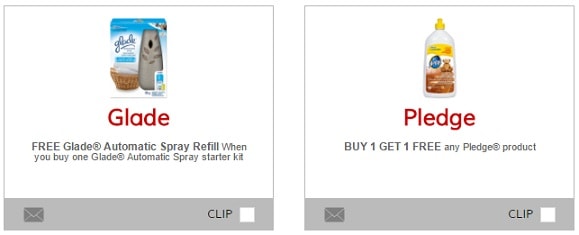
SmartsSource has a couple of new coupons for Glade and Pledge products!
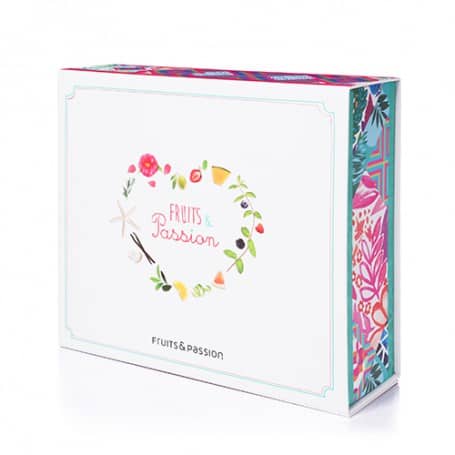
Looking for a thoughtful Valentine’s Day gift? Get a Valentine’s Day gift set for only $25 from Fruits & Passion! ($38 value).
In order to get the sale price you’ll have to add a moisturizer, shower gel, a puff and the gift box. Your purchase will automatically be discounted once all items are added to your cart.
Shop online at Fruits & Passion here.
Offer ends February 14, 2017.
(Note: The links in this post are affiliate links. Read the disclosure policy here.)

Today only! Save an extra 20% off already reduced items, plus, get free shipping online at MelanieLyne.com!
Shop online at MelanieLyne.com here.
Offer valid February 7, 2017 only.
(Note: The links in this post are affiliate links. Read the disclosure policy here.)

There’s a new printable coupon for $1.00 off any Campbell’s Everyday Gourmet soups!

Head on over to Save.ca to print or order a new coupon for $2.00 off Nature Valley Crunchy Bar Granola!
Print or order your Nature Valley coupon here.
Coupon expires June 30, 2017.

Living a meaningful frugal life means you have to reward yourself once in a while! So today, I’m Wondering:
How do you reward yourself at the end of a long day? Or how about when you reach a goal you’ve been trying to hit?
Have you got something you’ve been wondering about that I could feature in a future I’m Wondering post? Submit your question here!
