Mar 26 | Money Saving Tips
I’m not going to lie. I really enjoy eating out. It’s so nice to not spend the energy cooking or cleaning up the dishes! Unfortunately eating out is not very frugal, even if you’re only eating a burger at a fast food joint! Below, I’ve compiled a list of ways to help you save money eating out.
How to Save Money Eating Out
Stick with Water
By sticking with water, you’ll save a bundle off your restaurant bill. Beverages available from restaurants are very expensive in terms of how much it costs to provide them! If I’m feeling like I don’t want water then I’ll order a lime water; water with lime juice and a lime wedge is delicious!
Use Coupons
Many restaurants offer coupon specials. Check your local newspapers. Search online. Or order a copy of your local Entertainment coupon book.
Skip Dessert and Appetizers
I typically can’t eat that much food at once so why would I order it? I’m a dessert or dinner kind of gal, myself!
Order a large Entree
By ordering a large entree, you can either share your meal or take home the leftovers for lunch the next day! Pasta dishes are great for this.
Eat Early
Lunch menus are usually cheaper and I don’t find the portions much different. Also, many restaurants have happy hour specials (4pm-6pm or thereabouts). You can quite often get appetizers for half price or 2 for 1!
Order Appetizers Only
I only recommend doing this if you’ve caught the happy hour. Order a selection of different appetizers that your family can share.
Kids Eat Free
If you have children, find a restaurant that offers a kids eat free (or discounted) night. Check out my list of Canadian restaurants that offer free kids meals.
Do you have any tips to add to this list? How often do you ever enjoy a meal out?
Feb 26 | Money Saving Tips

As parents and caregivers, teaching our children about money is necessary. Quite often the subject is overlooked and kids are at risk of not knowing how to manage their finances as adults.
Here are 7 financial tips you should teach your children:
Money is Limited
It’s important to teach kids that money is limited, and that people have to live within a budget and not rely on credit. As the saying goes, “Money Doesn’t Grow on Trees!”
Budgeting Skills
How to set up a budget is not something we’re typically taught to do in school or at home. Yet, learning how to set up a budget is an important skill to pass on to your kids. It will be of great value to them once they’re in college or in the work force. Help them to learn about paying essential bills first, and how to budget for holidays, luxuries etc.
Prioritize
Another good financial habit to teach your children is to prioritize. Parents often pay for so many different activities and hobbies these days, which can cost a lot. Why not give them choices instead? Do they prefer soccer or swimming? Do they want to spend their Christmas money on many little things, or buy one big expensive toy?
Saving as a Habit
Financial education for children should definitely include the importance of saving money in a savings account. Encourage them to save some of their birthday money and earnings from jobs for the future.
Everything Costs
While young kids shouldn’t be worrying about the cost of living, it is important that they learn that everything has a price and a value. This way, they will be aware that it’s important to look after their things and spend their money wisely.
Work for wants
Kids should know the value of working for what they want. You don’t want your kids to take having money for granted and essentially wasting their lives with the sense that everything is entitled to them at no cost. This attitude can mean that they’ll keep coming to you for cash or they may go on spending frenzies with credit cards. Teach them while they’re young and they’ll be more likely to hold a sensible attitude towards money as adults.
Can’t have Everything
While it’s understandable that parents want their kids to have the best of everything, quite often it isn’t affordable. It certainly isn’t helpful to let them think that they can have whatever they want. Teaching them that they can’t have everything will help them learn what really matters in life, and think about needs rather than wants.
Financial education for children is essential – starting them off with good money habits and a sensible attitude towards finances will help ensure they’re financially smart later in life. It’s never too early or too late to start!
Do you have any financial tips for kids? Is there anything you wish your parents had taught you about money?
Feb 25 | Money Saving Tips

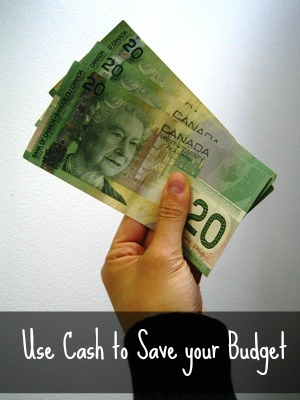
Today’s budget tip: Use cash!
One of the best ways to not overspend is to carry cash whenever possible Out to dinner or to the grocery store, if you take exactly what you have allotted for that outing, you won’t be splurging on unnecessary things because you won’t have any more money to use. Once you’re out of cash, you’re done spending!
Using cash is an easy way to keep yourself on track and not splurge in the moment.
Do you use cash on a regular basis? If you don’t, do you find yourself spending unnecessarily?
Feb 22 | Money Saving Tips

You don’t necessarily have to stop doing everything you love. Just find a better and cheaper way to do it.
If you love coffee, get a french press for home or work and start making your own instead of dropping money at a coffee shop. Or, if you enjoy getting your nails done, why not find a friend who enjoys painting nails to do it for you! Make an afternoon of it at home!
What are some ways you make substitutions in your life to help save money?
Feb 20 | Money Saving Tips

Today’s budget tip: Don’t shop with other people!
Social pressure is powerful and often convinces people to buy things that they don’t really need. It’s much easier to say no to something you don’t really need when you’re shopping alone!
How true this is when you’re grocery shopping with kids. I’m sure once Sienna is old enough to talk, my peaceful shopping will turn into me saying quite a few no’s, with some yes’ thrown in, I’m sure!
How often do you shop with others? Do you have any tips on grocery shopping with kids?
Feb 19 | Money Saving Tips
Today’s budget tip: Treat saving money like an expense!
Expenses are recurring things that have to be paid in a timely matter or your services will be cut off and you’ll have to deal with the consequences.
In order to not feel the consequences of a bank account with no savings, why not add an expense to your monthly budget called “savings”? By treating saving money as an expense, you can only expect to see your savings account grow, since it can help you create a habit of getting that money into the bank. Go one step further and have some money automatically deposited in to your savings. After all, when you save money, you’re paying yourself!
Are you in the habit of treating saving like an expense?