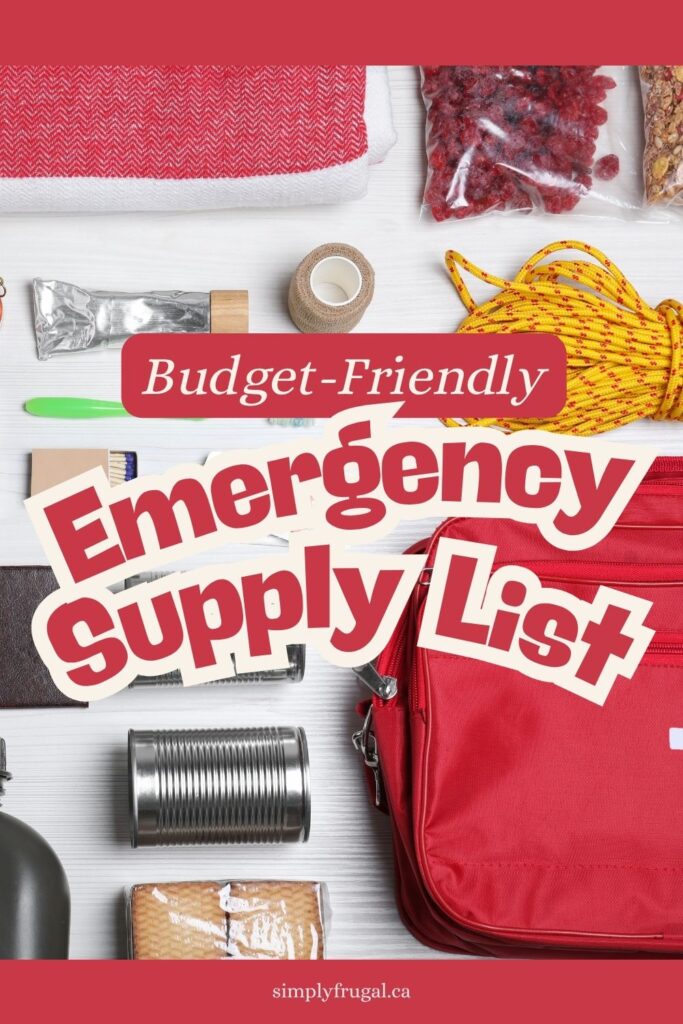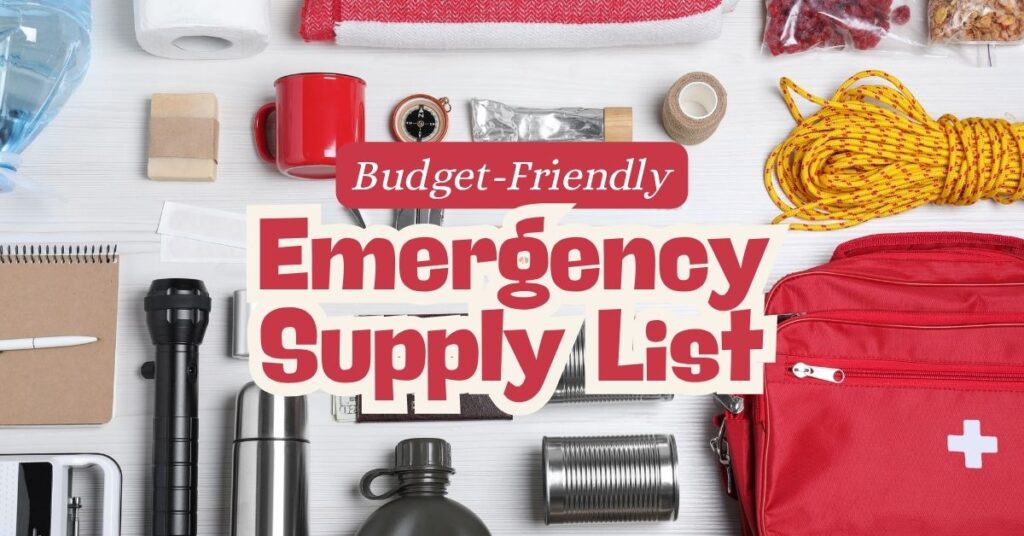
Budget-Friendly Emergency Supply List: Be Prepared Without Overspending
Disasters aren't something most of us like to think about, but being prepared can make all the difference when an emergency happens. Here in Canada, many of us face seasonal risks like flooding, wildfires, severe storms, and extended power outages. If you had to leave your home quickly or spend several days without electricity, would your family have what they need?
If the answer is "not quite," don't worry. You don't have to build the perfect emergency kit overnight. Start by creating an emergency supply list and gradually gathering the essentials. Even adding a few items each month can help you feel more prepared and give you greater peace of mind.
Putting together an emergency supply kit doesn't have to be complicated or expensive. Below, you'll find a practical emergency supply list of important items to consider. Use it as a guide to build a kit that works for your family, so you're ready for whatever comes your way. Whether it's a power outage, flooding, wildfire, or another unexpected emergency.
Budget-Friendly Emergency Supply List:
(Note: The links in this post may be affiliate links. Read the disclosure policy here.)
1. Water.
This is one of the top priorities. You should have a gallon of water per person, per day. Store water gallons in a dry and cool area where they are protected from the elements. You can even add some water purification tablets or the popular Lifestraw Personal Water Filter to your supply just in case you need to clean additional water.
2. Waterproof matches.
Matches will be vital in building a fire should you need to They are also what you may need for lighting your light sources such as gas lanterns and for cooking food. Be sure you have plenty of waterproof matches should the need for them arise. You can also include other heat/fire sources for back up such as lighters.
3. Non perishable foods.
Have plenty of non perishable foods or foods with lengthy expiration dates. Canned fruits and vegetables, canned meats, pastas, juices, broths, and soups are all advised. Choose plenty of high in protein foods as well such as beans, granola, and supplements.
4. Manual Can Opener
To go along with your non perishable foods, you'll want to have a manual can opener on hand so you can actually get access to your food!
5. Clothing and Blankets.
You never know what conditions you'll face during an emergency, so it's important to have clothing that will keep you warm, dry, and comfortable. Pack several changes of clothes for each family member, along with extra socks, sturdy shoes, and weather-appropriate outerwear. Don't forget warm blankets, gloves, hats, and rain gear if you live in an area prone to cold temperatures or wet weather. Whenever possible, choose durable, waterproof clothing that will stand up to the elements and last for years.
6. Medications.
You should always have extra prescription medications on hand or at least the prescriptions for them. You also want general pain killers, antacids, bandages, and plenty of purified water for washing wounds. Look at the medicinal needs of your family and pack a medications kit accordingly.
7. Pet supplies.
Do you have a pet? You will want to include them in on your planning. Be sure you have an ample supply of pet food, medications, first aid items, blankets, and other items they may need. You will also want a list of any medications they are on as well as the vet’s contact information.
8. Light sources.
Lanterns, battery operated flashlights, and candles are all wonderful light sources. You can also opt for solar lights, but you don’t know what weather conditions will be like. Be sure you have at least one light source per person and plenty of batteries to back them up.
9. Power sources.
As mentioned above, power sources are important. This would include fuel for your lanterns, gas for gas operated stoves and lighters, batteries, and of course chargers. You most likely won’t be able to use the chargers via traditional electricity, but charged battery packs could prove helpful.
10. Entertainment items.
This seems frivolous, but entertainment items can prove useful and help everyone stay calm. Books and magazines, a deck of cards, board games, and other simple entertainment items are all great. They can help keep kids calm, develop a sense of normalcy, and help the time pass a bit quicker. You might want to consider a battery powered or crank radio as well.
11. First-Aid Kit
A basic first aid kit is essential in any emergency. It can help with minor cuts, burns, and injuries until more help is available. Include bandages, gauze, antiseptic wipes, medical tape, scissors, tweezers, disposable gloves, pain relievers, and any prescription medications your family needs. Keep it in an easy-to-reach place and check it regularly to replace expired or used items.
12. Contact information.
Should you lose the power on your phone and have no way to charge it, would you have all of the contacts you need? Be sure you keep a good old fashioned notebook with important numbers and addresses. They may prove to be more useful than you think!
Preparing for an emergency doesn’t have to be expensive, time consuming, or scary. With this emergency supply list you'll definitely have some helpful ideas!
What else would you add to this emergency supply list?