Are your herbs growing faster than you can use them? A flourishing herb plant is a good thing, however having so many that waste occurs, is not. The good news is, there are plenty of ways to preserve your herbs and get a longer life out of them. This is especially helpful if you live in an area where you can’t grow herbs year round. Take a look below at some helpful ways to preserve your herbs and have them available to you all year long.
Tips for Preserving Herbs
Freeze them.
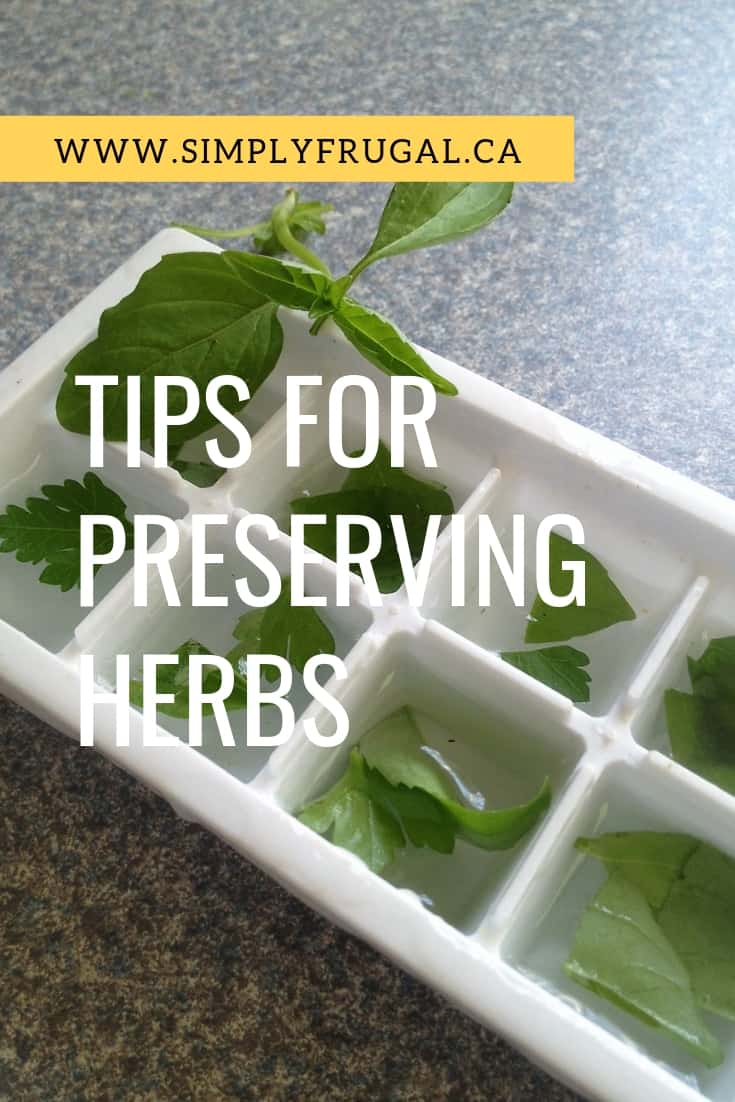
To freeze your herbs all you need to do is break them apart while fresh and place them in ice cube trays. Add a little water, filling the tray about half way full. Freeze the tray and when you need some herbs in your cooking, all you need to do is pop a cube out and toss it in. Cool!
Press them.
You can press herbs between pieces of wax paper and store them in a cool place if you wish. While they don’t last as long this way as they would if you froze them, it will still help extend their life. This way is especially helpful if you want to use the herb in its original leafy form, such as in a salad or dip.
Dry them.
You can always take the old fashioned route and dry your herbs. Gather them into a small bouquet and tie them with string at the end. Hang them upside down in a cool and dark place until dry. This can take anywhere from 10 days to 2 weeks. To use, just crumble and toss in your favorite dish.
Add them to oil.
You can take fresh herb sprigs and toss them directly into your bottle of olive oil to create infused oil. This works especially well with basil. In no time the flavor will spread throughout the oil giving it a gourmet taste!
Infuse your beverages.
If your herbs are about to go bad and you need to use them quickly, you can infuse your beverages with them. Just clean the herbs and toss them into your teas, lemonades, and fruit drinks. They will infuse the beverage and even stay good for several days this way. See this post for 7 Infused Water Recipes.
Don’t let those herbs go to waste. Give these tips a try and prolong their life easily!
One day last week, Sienna and I headed to the Farmer’s Market in search of some honey. While I didn’t find honey, I did get a basil plant for my herb garden. We started to head home, but Sienna decided she wasn’t ready be at home since she was quite content sitting in the car with the windows down and the air blowing over her face. This was the very first time she told me she wanted to keep driving. I’m thinking it was because she was just getting over a little cold and wasn’t quite feeling 100% yet.
I decided that this year I’d love to take advantage of all the fresh fruits and vegetables we have available in our area throughout the year. Currently asparagus is in season, so I drove off in the direction of an asparagus farm in the country. There’s just something so satisfying about seeking out small local farms that offer great produce! Can’t beat the price either!
This day also happened to be another lesson in enjoying the simple things. You see, since I’ve become a Mom, I’ve found it really difficult to juggle the blog, family life and the general world around me. (As I’m sure all Mother’s can relate to) I guess you could say I’m coming out of the “fog” now and realizing the joy that motherhood actually is and noticing the amazing things around me. I’m not so focused on myself and trying to “survive”.
The thing about having a blog, is that I feel as though I’m constantly connected to the online world, and not the “real” world that’s happening around me. Since I’ve been undergoing a bit of an internal struggle for contentedness, taking the time to be intentional in enjoying all that my real world has to offer has done me a world of good.
The simple act of forgetting for a moment that I had a blog that needed to be updated, dishes to wash and laundry to start, made me realize it’s the simple things, and not my circumstances, that will lead me to a more fulfilling life.
What little thing can you choose today to bring about some happiness to your day?
You may not have a great deal of land to plant on, or perhaps you don’t have the best soil conditions on the land you have. No worries. Did you know that you can still grow herbs indoors and enjoy the fresh taste and health benefits all year long? Growing your own herbs indoors is easy. Just take a look below at some helpful tips to get you started. In no time, you will have fresh and tasty herbs right at your fingertips.
Tips for Growing Herbs Indoors
Find a sunny spot.
You will want to place your herbs in a spot that gets a good 6 hours of sunlight a day. Take a few days to observe where the sun likes to settle in your home. That way, when your pots are ready you will have the perfect home for them. You also want to be sure the spot is away from heavy traffic or heat vents that can cause drying and damage.
Pick the perfect pots.
You can use various sized pots for your herbs, but your best bet is to keep one plant per pot. A 6-8 inch pot for each herb is perfect. Put some pebbles at the bottom of the pot for drainage and be sure your pots are placed on a saucer so catch any water drips.
Choose hardy plants.
Find plants that have strong stems, bright greenery, and are not withered or yellow. You also want to pick plants that have a moist yet tough root base. By choosing strong plants, you can make sure they are off to a strong start.
Pick easy to grow varieties.
If you are new to growing herbs indoors, try easy to grow varieties such as oregano, basil, and rosemary. All of these are quite hardy, don’t take up a great deal of space, and are easy to tend to. Chances are, they are also ones that you will use in your cooking most often!
Tend to your plants properly.
Always remove dried or spent foliage so the plant can use its energy elsewhere. Water as needed, keeping the soil moist at all times. Chances are you won’t need to weed your pots, but if you notice any weeds sprouting up be sure to grab them. You can add a few fertilizer pellets if you wish, being sure to follow package directions. To use your herbs, always take the foliage from the bottom of the plant, leaving the newer, younger greenery at the top to keep growing.
See how simple it can be to grow your own herbs indoors? Give these tips a try and you are sure to have herbs at your fingertips all year long.
If you have children, or just want to live a more natural lifestyle, you may not be interested in using chemical filled pest repellents. Instead, why not give herbs a try? Herbs pack some serious pest repelling power and can do the job without the risk of chemicals. Take a look below at how to get started using your own herbs to keep those pests at bay.
Herbs to Use for Pest Repellent:
1. Lemon Balm
Lemon balm smells great and it is perfect for keeping bugs at bay. Plant it around your patio or keep a pot of it on your picnic table. Mosquitoes will stay clear of it and you will be protected. You can also rub the lemon balm directly onto your wrists for extra protection.
2. Basil
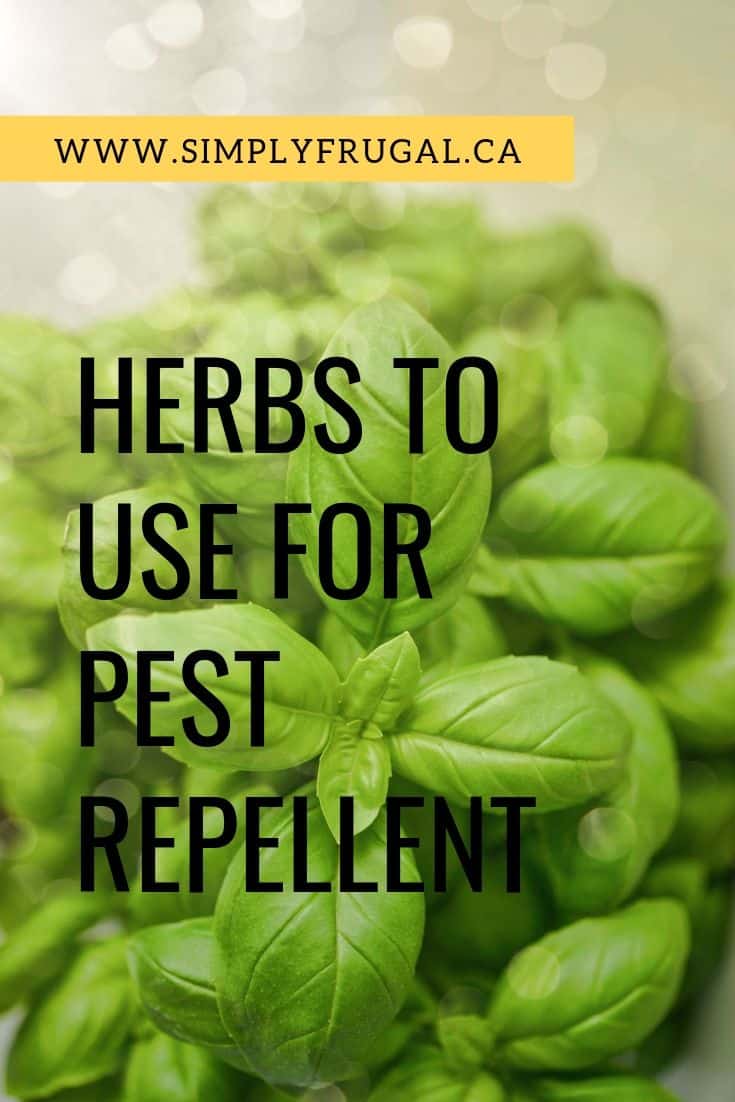
Flies hate basil! Plant a little basil in your flowerpots that decorate your patio or other social areas of your yard. This way, the flies will go elsewhere and let you entertain in peace.
3. Chives
Chives are not only tasty, but they repel a great deal of pests as well. Japanese beetles and aphids won’t come near them, so plant a plug or two of chives near the flowers you wish to protect from these pests.
4. Fennel
Fennel is tasty in your salads, but slugs and snails hate it. Plant a little fennel around blooms that these critters would otherwise devour. They won’t come near. It seems as though few plants repel slugs and snails, so this is one to try if these critters pose a problem in your yard.
5. Dill
You might plant some dill for your pickling needs, but it is great for pests too. Aphids and spider mites don’t stand a chance when dill is around. Tuck a plant or two in your potted plants and flower beds and never worry about them wreaking havoc on your yard.
Stop losing the battle with pests in your yard. Give these plants a try and enjoy a pest free yard the natural way!
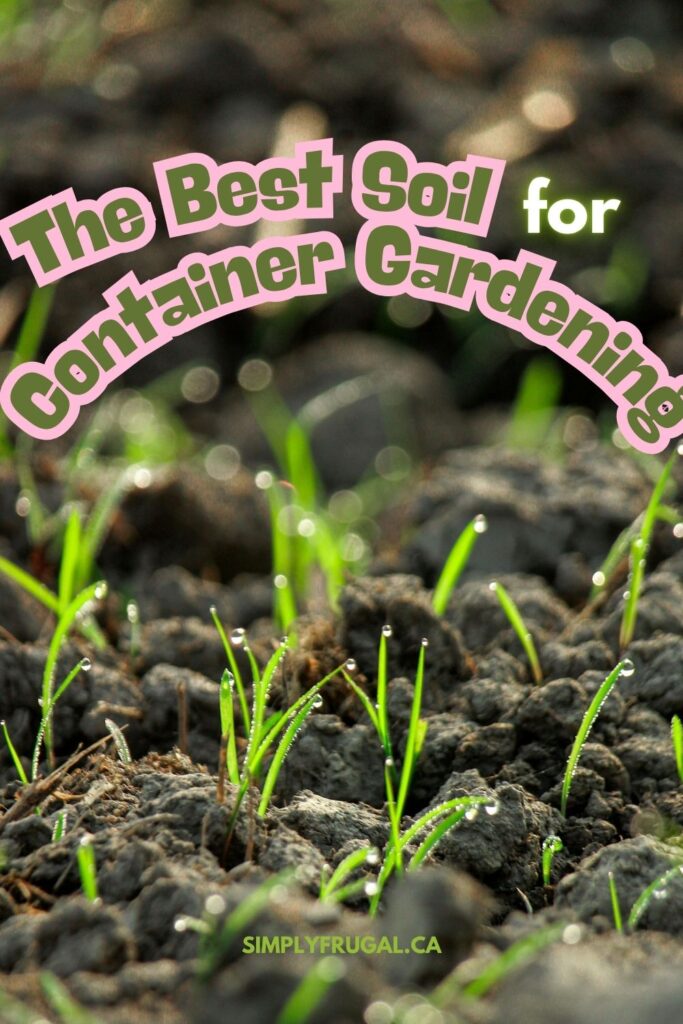
While you may be tempted to use plain old garden soil for filling your containers, garden soil is actually not ideal (on its own) for container gardening. It's not ideal because having proper drainage for your container vegetables is necessary to the success of your plants. See, garden soil is much more dense than soil made specifically for containers. so, if you use only garden soil, water can pool around the roots of your plants, which causes them to drown because they're lacking oxygen. So having a lighter mix of peat moss, compost and vermiculite will allow water to drain properly, giving the roots proper oxygen.
Along with proper drainage, the main functions of a potting mix are:
To hold moisture and nutrients around your plant roots.
To allow enough oxygen for roots to be able to breath and not rot.
To provide proper support for your plants, protecting them from the elements. You don't want them to blow over from the wind!
If you want an easy way to give your plants the highest chance at success, you can simply head to your local garden shop and buy a bag or two of potting soil. But if you're looking for something that you can customize yourself, here's a basic potting soil recipe:
Basic Potting Soil
1 part peat moss 1 part compost 1 part vermiculite
Simply mix all the ingredients together in a large bucket, wheelbarrow or tarp. Just so you don't inhale too much dirt and dust, you should wear a mask during the mixing process.
You also might want to add some fertilizer based on the type of plants you want to grow in the pots, which is available at your local garden store. Speak to one of the helpful employees and they'll be sure to recommend something that will suit your needs.