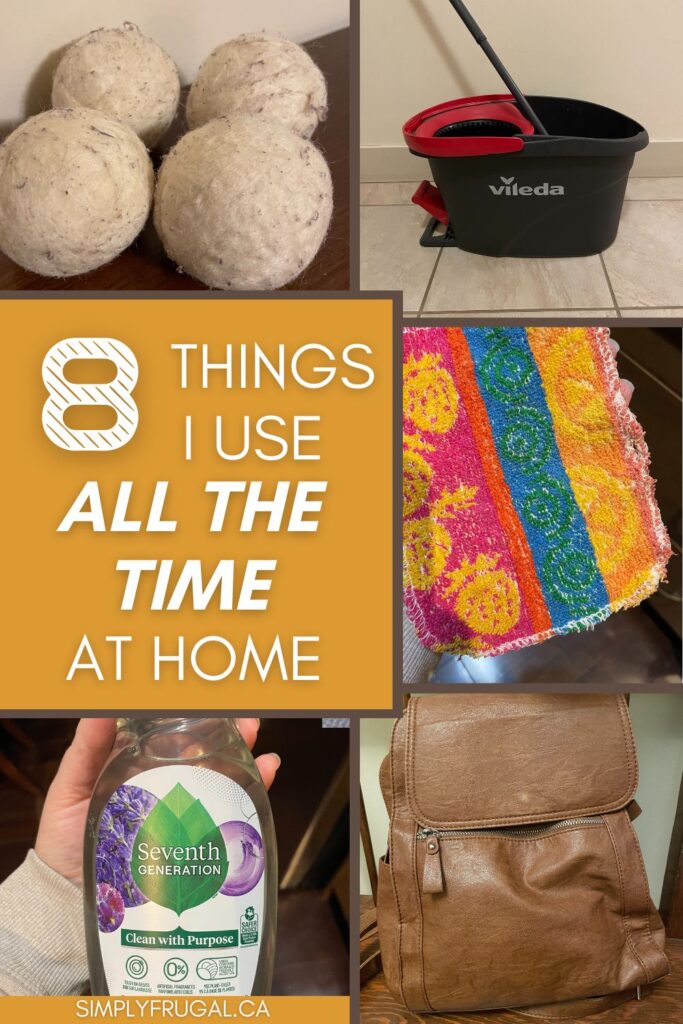
As I was going about my day the other day, I realized that I was using some things that I really like to use. I seem to use them all the time at home.
I'm also someone that likes to see what others like to use to make their day to day life better. I know I can't be the only one with this curiosity!
So, I decided to go around the house and take pictures of the things I use all the time.
Now, some of them I've had for a long time, but there are newer versions of them that I'll link to.
Wool Dryer Balls: I was looking at my Amazon order history and I actually bought these in 2016!! It did come as a 6 pack, but two of them recently came came apart, so now I'm left with four. I do think that they actually reduce drying time. Here are some dryer balls with good ratings if you want to try them out.
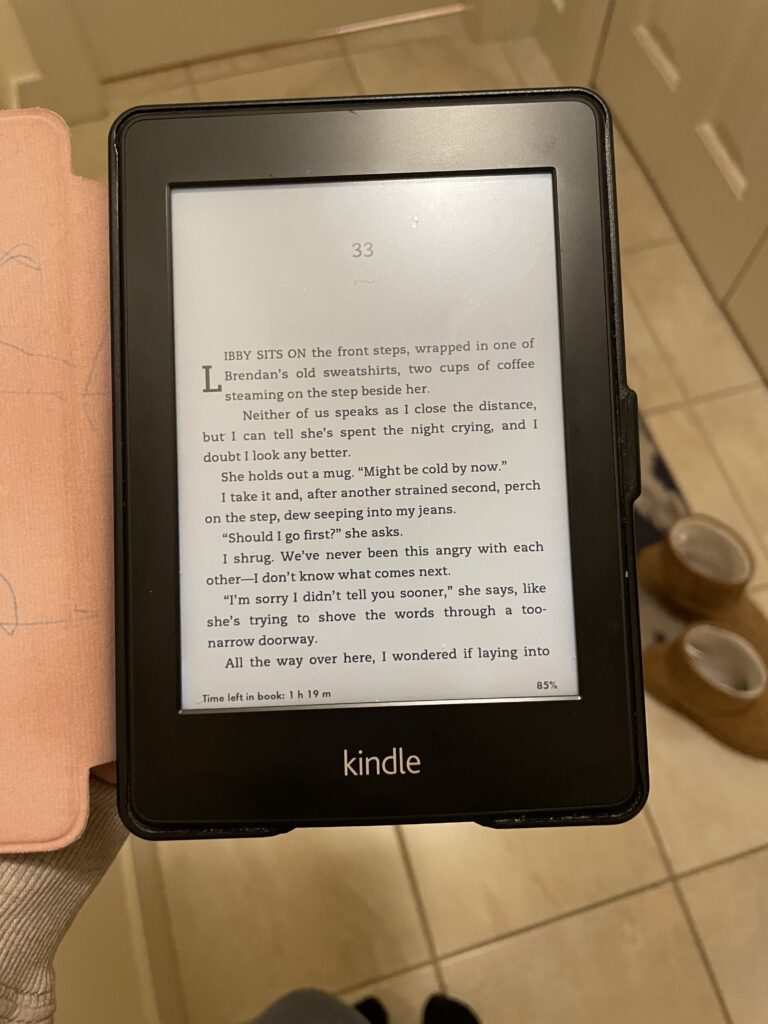
2. Kindle eReader: This is pretty much the only way I read books these days. According to my Amazon order history, my Kindle is now 10 years old!! It's still working mostly wonderfully. Has a few glitches every now and then, but I'm amazed that I've had it since 2013. It comes to the beach, on vacations, and fits nicely in my purse for when I have a few minutes to read. Apparently I can use it to borrow ebooks from the library, but I haven't tried that yet.
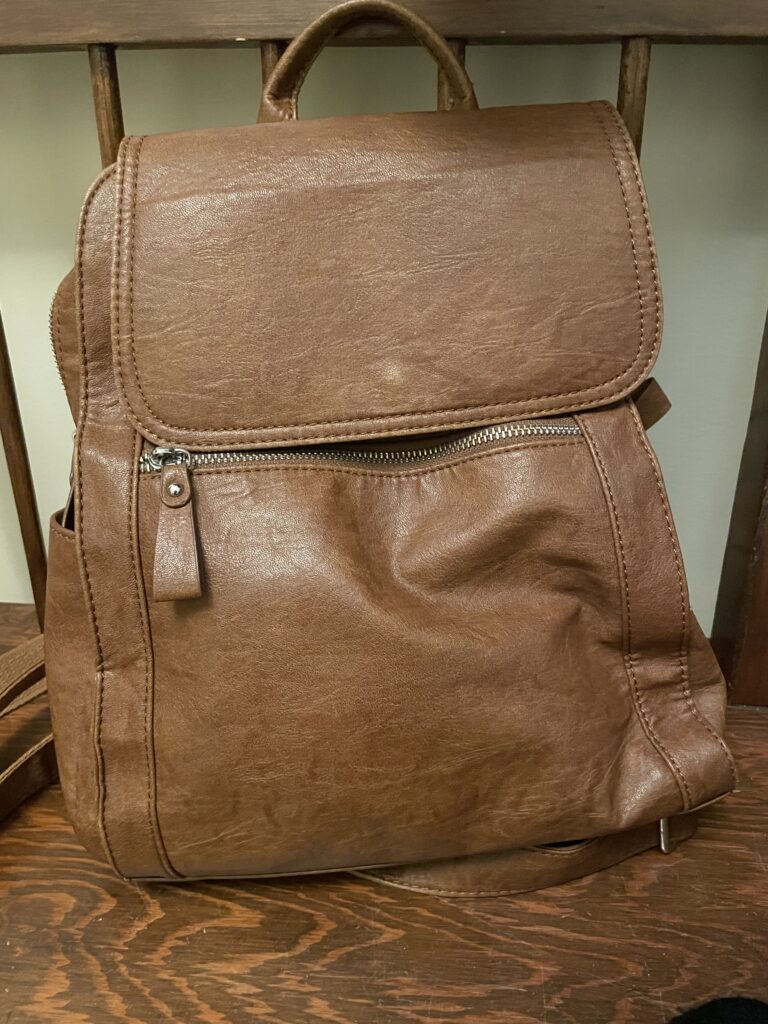
3. Backpack Purse: I bought this in 2021 because we were flying to Winnipeg with Swoop. You have to pay for checked baggage and you're only allowed a small carry on at no cost. This is the perfect size to hold airplane activities for me and the kids. Plus, it's a backpack so it's never annoying to tote around. This is still the purse I use on a daily basis and I love it just as much now as when I bought it.
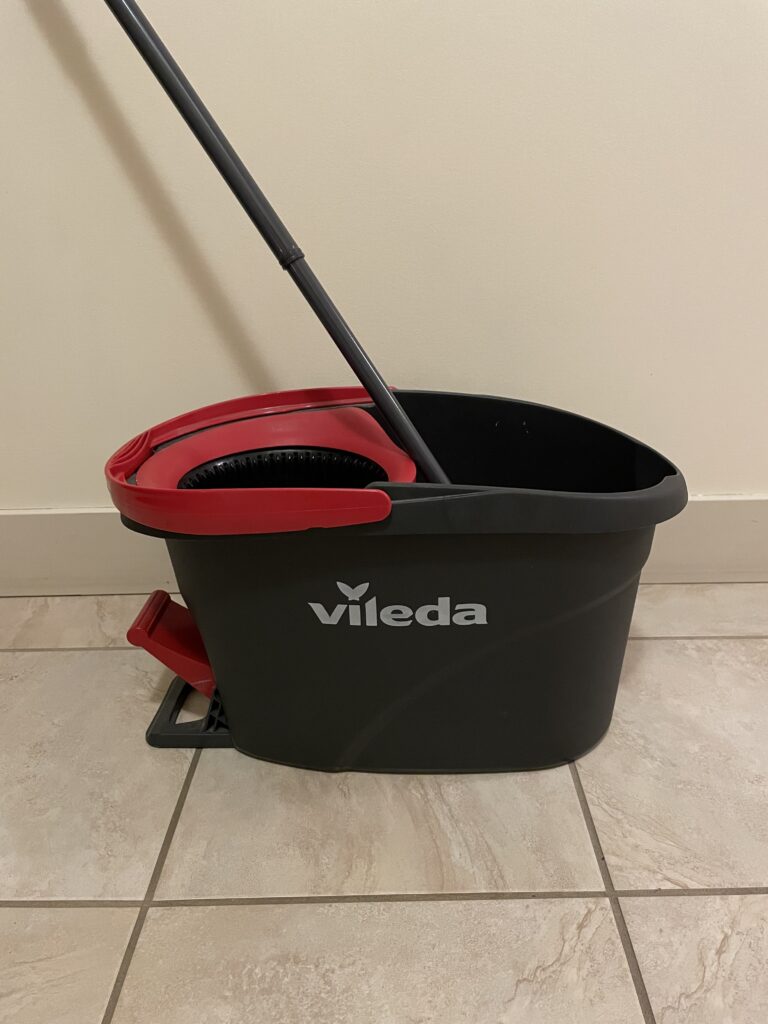
4. Vileda Spin Mop: This was a purchase I made in January 2019 and I love it! It's perfect for our tile, linoleum bathrooms and engineered hardwood floors because you can control how much water is in the mop. I fill my bucket with a teaspoon of powdered Tide a la GoCleanCo. It goes on sale every now and then so wait for a deal!
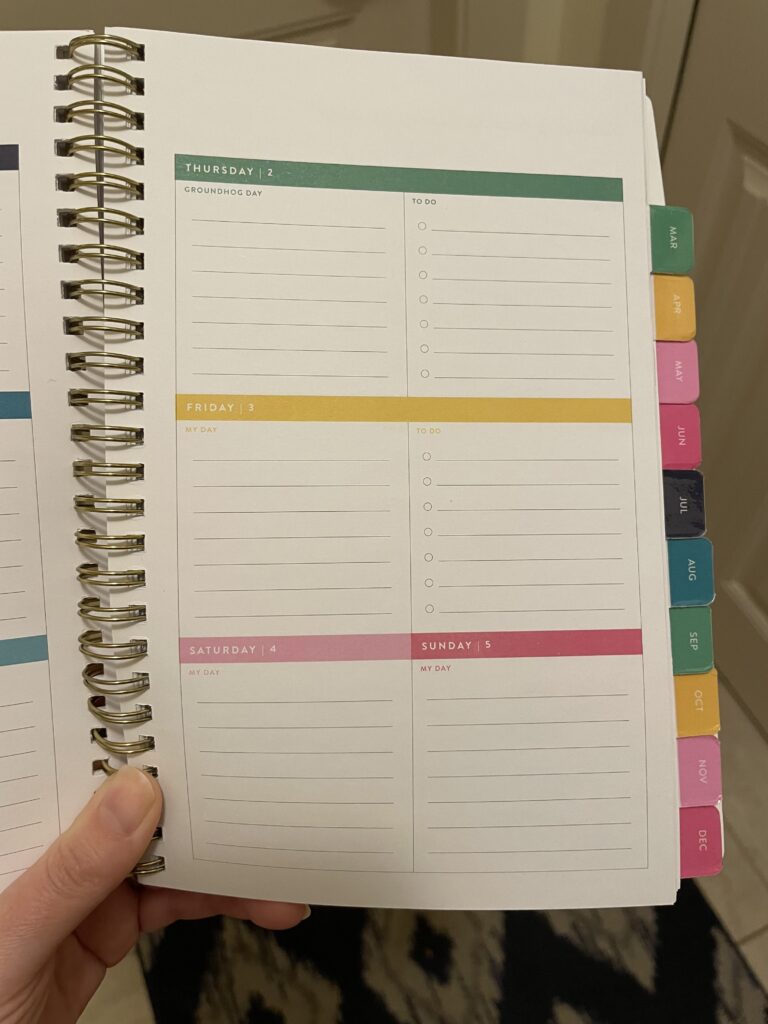
5. Simplified by Emily Ley Day Planner: So this is new, obviously, because 2023 is still quite new. But it has been almost two years that I have consistently been using a paper planner. I prefer a weekly planner so I can see the whole week at a glance. This one also has a monthly spread that I use to mark down birthdays, no school days, etc. I also love that each day is divided into two sections: My Day and To Do. I also use Google calendars to remind me of appointments and deadlines.
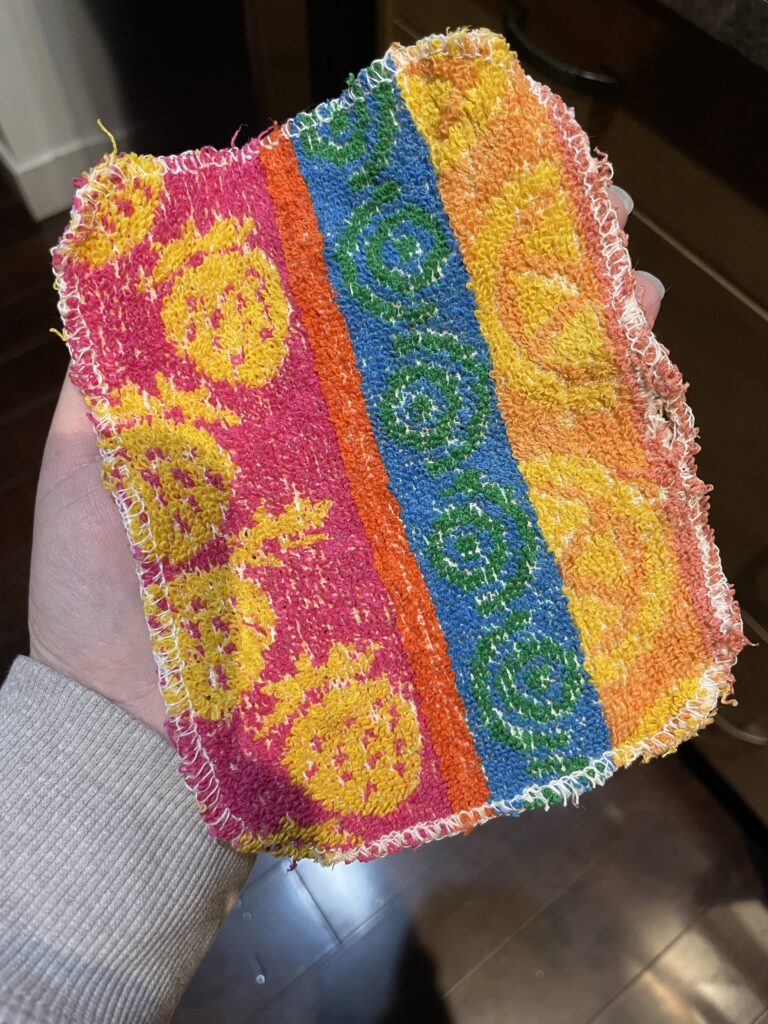
6. Washable Dish Scrubber: My mom bought me this from a local store a few years ago. I love it! So good at getting stubborn spots on dirty dishes. But my favorite part is that I can throw it in the wash to clean it! It has lasted a long time so far! Here are similar ones from Amazon.
7. Contigo Travel Mug: This is also an old purchase from Costco years ago. It came as a two pack and both of them are still going strong! I like to put my coffee in here in the mornings when I drop my daughters off at school. Here is a newer version of a Contigo travel mug.
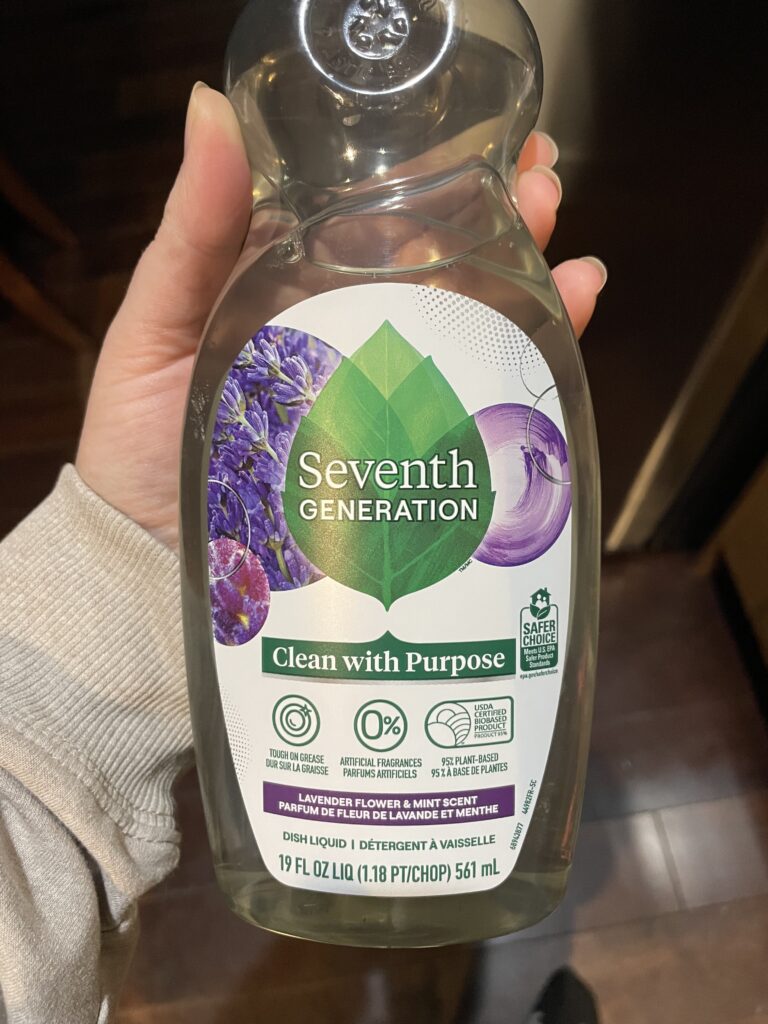
8. Seventh Generation Dish Soap: Specifically, the Lavender and Mint scent. Sooooo good! (The Fresh Citrus and Ginger is good too.) This has been my go to dish soap for years now. Every time I try something new, I wish that I was using Seventh Generation! Haha! For some reason, it also seems to keep my cloths smelling better. I find with other soaps, I can only use a cloth for one day before I have to throw it in the wash. I usually buy it at the grocery store, but now and then I order some from Well.ca when it's on sale.
There you have it! 8 things I use all the time around home. Do you use any of these things? What are some items that you have had for a while that you find yourself using over and over again?
Planning a menu each week can be such an annoyance. Some weeks, it would take me hours to come up with enough meals for the week because I'd always try to add variety with new meals. I would scour cookbooks and Pinterest for new recipes and get distracted trying to decide if something sounded good or not. Or whether or not the rest of the family would eat it...
So, one thing that has helped us to cut our grocery budget was to create a short, go-to recipe list! I mean, we eat the same basic things for breakfast each day, why not apply the principle to dinner too?
Narrowing our meal ideas to only 20 options has made meal planning a breeze and has saved us so much money. It also reduces food waste, because I know I am making food that we all enjoy. These meals are a mix of quick & easy meals, recipes that are great for leftovers, and some a wee bit more complicated because they're just so tasty.
So, if you want to finally stop wasting money on groceries, I'd encourage you to grab some inspiration from our go-to recipe list. Here’s what we’re eating, aside from leftover nights and super simple meals (like tomato soup & grilled cheese):
20 Dinner Recipes that Cut Our Grocery Bill:
Tacos - I find that one package of ground beef is enough for two meals for our family. I'll often make it stretch further with a can of baked beans.
French Toast - We often like breakfast meals for dinner. I especially love to make a big batch of French toast because I can freeze the leftovers for quick breakfasts.
Instant Pot Beef Stew - This is so good! Since the recipe doesn't call for potatoes, I like to serve it over mashed potatoes.
Spaghetti - Lately I've been browning ground beef, adding it to the slow cooker with a jar of pasta sauce, a bit of water and a sprinkle of beef bouillon powder.
Hamburger Soup - This freezes well and is enjoyed every time I make it.
Slow Cooker BBQ Sauce Pork Chops - Place pork chops over sliced onions in a slow cooker, then pour your favourite BBQ sauce over top. Cook on low for about 4 - 6 hours. Serve with rice or potatoes and steamed veggies.
Sausage and Potato Bake - Cut up potato, carrots, sweet potato, peppers, and farmer's sausage and place in a big 9x13 baking dish. Drizzle olive oil and a dose of oregano, salt & pepper. Bake at 400 degrees for about 35 minutes.
Roasted chicken - It no secret that a roasted whole chicken can stretch for many meals. I'll often buy rotisserie chicken for a super fast dinner with veggies and potatoes.
Balsamic beef roast - This is another meal that stretches far or is great for feeding a crowd.
There you have it! The 20 family dinner recipes that have managed to cut our grocery bill! Does your family have a go-to recipe list? What are your favourite meals?
Looking for even more kitchen help especially as life gets busy? Check out this fun MEAL PLANNER – with food inventory worksheets,monthly, weekly + daily meal planning worksheets, meal brainstorming worksheets and more!
"Why can’t I save money? I should be able to do it…”
Do you find yourself asking that question a lot?
You make a decent salary, many others would be happy getting paid as much as you. Maybe you have a few debts, but nothing that's not manageable.
So why can't you seem to put any amount into savings? You know something needs to change.
But don't be discouraged! Many people are in your situation. Whatever your salary, you can save some of it.
Let's take a look at some reasons why you can't save money along with solutions:
1. You were never taught how to save money
We're not generally born with good money sense. This is something that has to be taught and practiced. If you were never taught how to save money beginning at a young age, it's quite possible you still don't know how to save money as an adult.
Solution: The good news is that you can still learn how to save money! You can do this by reading helpful articles, tracking your spending, and implementing smart money habits with the tips you learn.
2. You are an impulse spender
Spending money is fun. I get that, I really get that. There are studies out there that prove that shopping can be therapeutic. But did you know that dopamine (the feel-good hormone), is actually released before you make a purchase? It begins before the purchase happens. You don't even have to make a purchase to get that good feeling. If you find yourself making impulse purchases to make yourself feel better, this could be a reason why you can't save money.
Solution: Just browsing or window shopping can positively impact your mood and release dopamine. If you find yourself making many impulse purchases, take 48 hours, a week or even 30 days to think about a non-essential purchase. You might be surprised to discover that you don't actually need that item and feel content leaving it at the store.
3. You don't track your spending
A big reason why you can't save money might be because you aren't tracking what you spend. When you track your spending, you can track overspending and you can eliminate wasteful spending habits. This is also a great way to discover you are paying for a subscription that you no longer use.
Solution: Use a notebook or a simple app to write down your expenditures. You might also find the idea of a Spending Journal perfect.
4. You don't use cash
One possible reason why you can't save money might be because you aren't using enough cash. You mostly swipe that credit or debit card. I know when I have cash in my wallet, I think harder about any purchases I want to make. I often decide I don't need something when I think of the bills leaving my wallet.
Solution: Start using cash. This doesn't mean you need to use cash for every single thing. (there can be benefits to using credit cards.) But perhaps you can try using cash for your clothing or entertainment budget. I have a set of printable cash envelopes and spending trackers that might be useful too.
5. You are dealing with lifestyle inflation
Lifestyle inflation or lifestyle creep is when your expenses increase along with any increase to your income. Maybe you think every time you get a raise or receive a promotion, you deserve to treat yourself with something new. For example, with your increase in income, you might think a new car is a good idea. But really, this just means the more you earn, the more you spend.
Solution: Take the time to learn contentment. If all of your basic necessities and bills are taken care of, with any increase to your income set up automatic deposits to your savings account with the difference. You should start seeing a healthy savings account grow!
6. You think you need something you want
A house is something you need and a car is something you need to get to work. (Although, we often overspend on this necessity because we want a certain vehicle, when we can simply focus on one that we need. Which is any reliable vehicle, really.) A fridge is something you need but a 65′ TV is something you want. Not knowing the difference between and need and a want can be the reason why you can't save money.
Solution: Take a hard look at your thought process when it comes to purchases. Is it something you need or is it something that you want? If it's something you want, start saving your dollars so you can purchase it guilt free.
7. Everyday expenses are rising (inflation)
As I'm sure you are aware, we are seeing big price inflations on pretty much everything these days. Housing, groceries, gas... While you can't stop it, there are things you can do to alleviate the pressure on our wallets. (I like this article on the causes of inflation, if you're interested to read more.)
Solution: Think of this as an opportunity to be creative. Think about ways you can create more income. Or trade your garden vegetables for fresh eggs from your neighbor. Go through your expenses with a fine tooth comb to weed out the expenses that are not 100% necessary in this season. Consider eating more vegetarian meals. Brainstorm to get your creative ideas going.
8. You don't have a savings goal
Having a savings goal in place for something specific can be a great motivator. When you are just putting money into the bank for the sake of putting money into the bank on a regular basis, it can be easier to withdraw for unimportant reasons. When you implement a savings goal, you are more likely to save more money. It helps to create healthy and productive money habits.
Solution: Implement a savings goal. An emergency fund is a common, but great savings goal to start with. Once you've established your emergency fund, you can move onto paying off a debt. Then you can keep going with something else. Like a vacation fund, or new appliance fund, or a new to you car fund. With a goal in place, you'll start to see how every money decision impacts your greater financial health.
One thing is for sure though, if you’re struggling to save money, you’re not alone. With the help of these 8 solutions, you'll be well on your way to reaching your savings goals. Which of the 8 reasons do you resonate most with?
The biggest shopping day of the year is about to happen in a few weeks. I'm pretty sure it now rivals and perhaps beats out Boxing Day sales in Canada. Black Friday can be a fantastic time to score great deals on Christmas gifts. It can especially be a great time to shop if you know a few tips and tricks to make your shopping successful.
Here are 9 useful Black Friday shopping tips:
Bookmark my giant Black Friday post
Coming up next week, I will have my annual list (it's giant!) of Canadian Black Friday deals. Simply peruse the list to find the stores that interest you, click the links, then start shopping from the comfort of your own home!
Buy discounted cards for the stores you will be shopping at.
Go shopping with discounted gift cards instead of cash to save yourself some moolah! There are many stores like Real Canadian Superstore/Loblaws, Rexall and Shoppers Drug Mart that offer discounts on gift cards for stores such as Old Navy and Gap during their weekly sales. You might also want to take a look at CardSwap.ca for discounted gift cards.
Ditch the big shopping cart if you're shopping in-store.
Just don't even think about getting one of those large cumbersome shopping carts if you plan on shopping in-store. Grab a basket or bring a large reusable shopping bag (IKEA bag anyone?) to avoid collisions or getting stuck in an aisle when you just want to get in and out of the store as quickly as possible.
Make your shopping list in order of importance.
Is Santa promising to bring a Lego set this year? You better put that first on your shopping list! By making your shopping list in order of importance, you're really helping yourself to not forget that all important gift.
Sign up for emails for the stores you will be shopping at.
Whether you're shopping in-store or online it can be extremely valuable to sign up for the email list of the stores you will be shopping at. Almost certainly, they will include coupon codes or coupons you can print/show on your phone for an extra discount. Often times email subscribers can also start shopping the sales earlier online.
Shop online.
The same sales are typically available online too, save for the extreme doorbusters. Save yourself some time and energy by shopping from the comfort of your own home. (This is my preferred method ;))
Join loyalty programs
Might as well join the loyalty programs for the stores you will be shopping at if you haven't already! Collect points that can translate into free items or even extend certain perks. (I'm thinking the TJX card from Winners.)
Shop online at Amazon.
Because I'm such a fan of online shopping, I usually check Amazonfirst. Black Friday will be no different because I find that they usually have some great one day deals. Another Amazon tip: Use Honeyto track Amazon prices so you can see how today’s Amazon price compares to the last 30 days. You can even use the Droplist feature which allows you to save items you're interested in and once Honeydetects a lower price, they'll let you know.
Set a budget and stick to it.
You're really not getting any deals per say, if you put yourself into debt trying to get the latest and greatest thing. If you've created a shopping list, it should be easy to stay within budget because you have an idea of the price of each item. Don't ruin your holidays worrying about debt! There's rarely any deal that is worth that amount of stress.
Do you shop on Black Friday? I'd love to hear your Black Friday Shopping tips in the comments below.
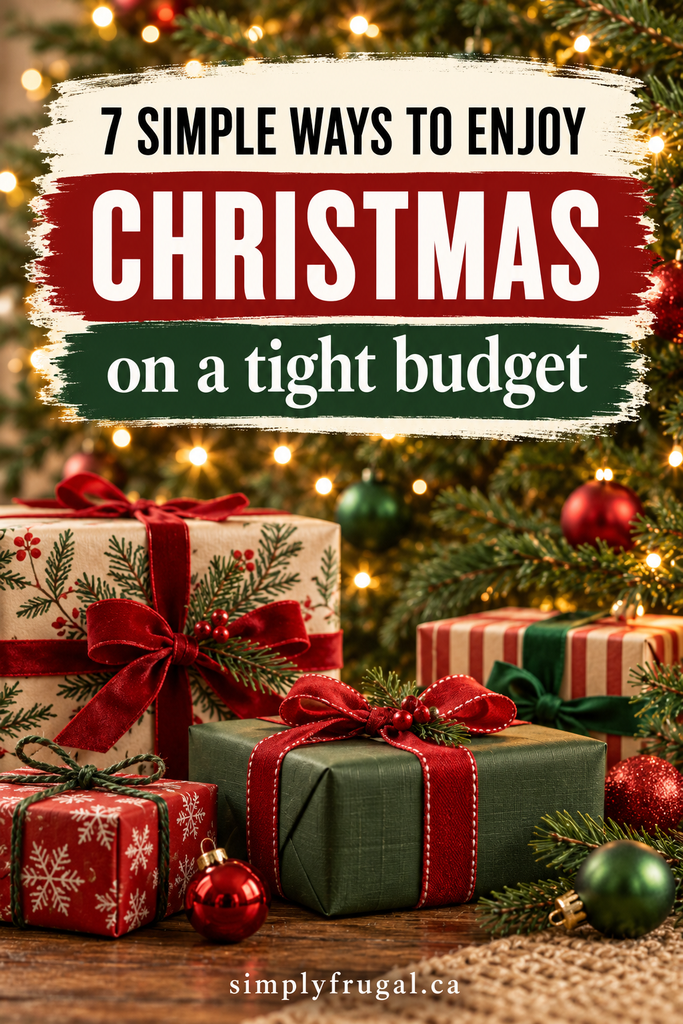
7 Simple Ways to Enjoy Christmas on a Tight Budget
Christmas has a way of arriving when your money is already spoken for. Between groceries, bills and all the usual family expenses, finding extra room for gifts and celebrations can feel like a lot.
If you’re facing Christmas on a tight budget this year, you can still make it a season worth looking forward to. You don’t need matching everything, a pile of presents or a calendar full of paid activities to make it special.
A few favourite traditions, thoughtful gifts and time together can go a long way. Here are some simple ways to enjoy Christmas while keeping your spending manageable.
1. Decide What You Can Afford First
Before you start shopping or making plans, take a look at what you can comfortably spend.
Cover your regular expenses first, then work out what’s available for Christmas. Include gifts, food, wrapping supplies, travel and any activities you’re considering. Those smaller costs can add up quickly!
Creating a holiday budget gives you a starting point and makes it easier to decide where your money will go.
If the numbers are tight, give yourself permission to scale back. A smaller Christmas is a perfectly good Christmas.
2. Choose What Matters Most to Your Family
Think about the parts of Christmas your family looks forward to most. You could even ask everyone to name one favourite thing.
Maybe it’s decorating the tree, baking a particular cookie or watching the same movie every Christmas Eve. You might find that some of the things you’ve been spending money on aren’t anyone’s favourite.
Put your time and budget toward the traditions you actually enjoy. Let the rest be optional.
3. Start a Few Simple Christmas Traditions
Traditions don’t have to cost much to become something your family looks forward to every year. Often, it’s the familiar little things that stick.
Here are a few ideas:
Have a decorating day. Growing up, we waited until December 1st to decorate. That was also our cue to turn up the Christmas music!
Make Christmas cards. Use paper, colouring supplies and craft materials you already have.
Bake together. Pick one favourite cookie recipe instead of buying ingredients for several different kinds.
Decorate cookies. Homemade cookies and a little icing can make a fun afternoon activity.
Write letters to Santa. Younger kids can draw pictures or tell you what they’d like you to write.
Read Christmas books. Borrow a stack from the library and read together throughout December.
Plan a Christmas movie night. Add popcorn, blankets and everyone’s comfiest pajamas.
Look at Christmas lights. Walk around your neighbourhood or take a short drive and vote for your favourite display.
Make a small holiday bucket list. Choose a few things you’ll enjoy using these holiday calendar ideas.
Give Christmas PJ's on Christmas eve: For the last few years, I have been wrapping up a pair of Christmas pajamas for both girls that I got on sale and giving it to them on Christmas eve. They love to wake up Christmas morning in their new Christmas pajamas!
One of my favourite childhood traditions was searching for our Christmas tree. The outing was a big part of what made it special.
You don’t need to try everything on this list. Pick a couple that fit your family, your energy and your budget.
4. Keep Gift Giving Manageable
When you’re celebrating Christmas on a tight budget, it helps to set gift expectations early.
That might mean drawing names with extended family, setting a lower spending limit or agreeing to buy only for the kids. Having the conversation before everyone starts shopping makes things easier.
Homemade Christmas gifts can also be a thoughtful option. A batch of someone’s favourite cookies, a printed photo with a handwritten note or an offer to babysit can all make lovely gifts.
Check the cost of supplies before committing to a project, though. Homemade gifts save the most when you can use ingredients and materials you already have.
5. Enjoy Free Christmas Activities
You don’t need a ticketed event every weekend to enjoy the season.
Check your library, community centre and local event listings for free activities. You might find a Christmas storytime, a community light display or a holiday concert.
There’s plenty to enjoy at home, too. Put on Christmas music while you make dinner, work on a puzzle together or let the kids help decorate with things you already own.
Leave some space in your calendar for these quieter moments. They count just as much.
6. Add Extra Cash If You Have the Time
If there’s a gap between your Christmas plans and your budget, earning a little extra money may help.
Start with what feels manageable. You could sell unused toys, clothing or household items, offer snow shovelling or cleaning, or look into seasonal work if your schedule allows.
Be realistic about the time and costs involved. An already busy season doesn’t need to become exhausting, and scaling back your plans is an option too.
7. Give in Ways That Fit Your Budget
Giving can be a meaningful part of Christmas without adding another expense.
You could check in on a neighbour, help someone shovel their walkway or volunteer with a local organization that needs a hand. Kids can make cards for someone who could use a little encouragement.
And if your own family needs support this year, it’s okay to receive it. You don’t have to stretch an already tight budget to prove you’re generous.
Make Room for a Christmas You Can Enjoy
You don’t have to do everything to make Christmas special. Choose a few things your family loves, spend what you can afford and leave room to enjoy the season together.
Years from now, the cookies you baked or the funny thing that happened while decorating the tree may be what everyone remembers most.
What’s one free or inexpensive Christmas tradition your family looks forward to every year? What are your favourite ways to celebrate Christmas on a tight budget?
Are you looking for the best frugal cookbooks to help you save money on food? In this post, I’m sharing some of the best frugal cookbooks to help you cook on a budget!
Best Frugal Cookbooks to Help You Cook on a Budget
Do you have a cookbook that you reach for again and again?
Having a cookbook that you love, is a must-have resource to help you save money on food. It will ensure you can always find a great recipe (or many) everyone loves to eat at home.
In case you need to add a cookbook to your home, I wanted to share the best frugal cookbooks to help you find delicious recipes to make on a budget.
The following cookbooks are all about helping you prepare frugal meals, so you can save money on food and still eat great!
18 Best Frugal Cookbooks:
Click on the image or the link to find out more about each cookbook so you can find the perfect budget cookbook!
The Flat Broke Cookbook: Thrifty Meals & Shopping Tips for Tough Times: The Flat Broke Cookbook is about shopping for food with limited funds and still feeding your family tasty and nutritious meals. It assumes you have a bit of money to spend, but not a lot. At the same time, you might be living off the supplies in your pantry or freezer for similar reasons. These recipes are simple and filling to keep you nourished when times are tough.
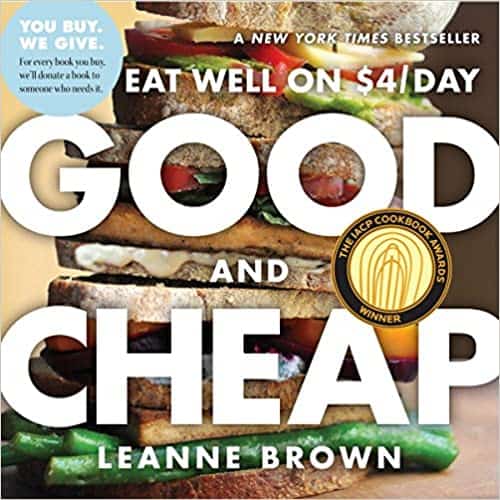
Good and Cheap: Eat Well on $4/Day: Created for people who have to watch every dollar—but particularly those living on the U.S. food stamp allotment of $4.00 a day—Good and Cheap is a cookbook filled with delicious, healthful recipes backed by ideas that will make everyone who uses it a better cook. Plus there are tips on shopping smartly and the minimal equipment needed to cook successfully.
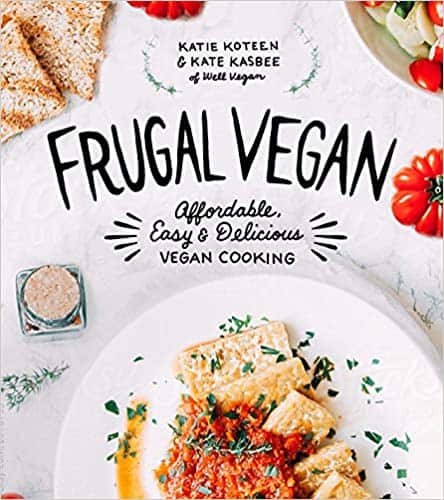
Frugal Vegan: Live a healthy vegan lifestyle without breaking the bank with these 99 affordable and delicious plant-based recipes. Frugal Vegan teaches you how to avoid pricey perishables and special ingredients, and still enjoy nutritious, exciting food at every meal. Learn the tips and tricks to creating plant-based cuisine on a budget and fill yourself up with a delicious feast.
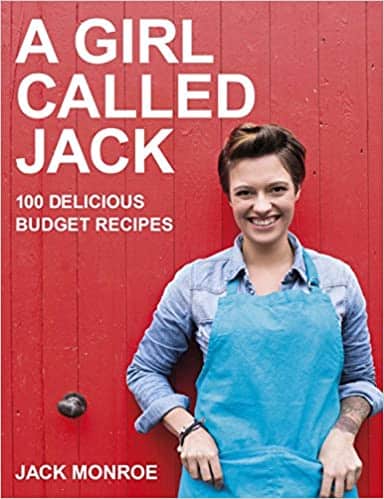
A Girl Called Jack: 100 Delicious Budget Recipes: 100 easy and delicious meals on a tight budget with Jack Monroe's A Girl Called Jack. Jack is a cash-strapped single mum living in Southend. When she found herself with a shopping budget of just £10 a week to feed herself and her young son, she addressed the situation with immense resourcefulness, creativity and by embracing her local supermarket's 'basics' range. She created recipe after recipe of delicious, simple and upbeat meals that were outrageously cheap.
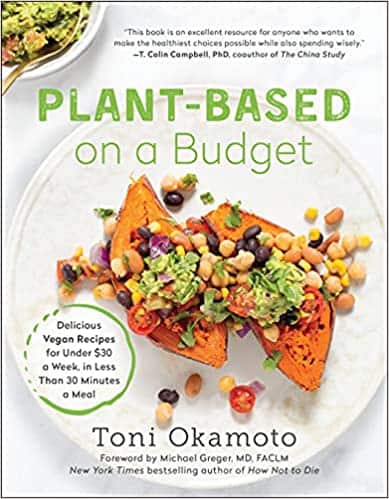
Plant-Based on a Budget: Toni's guidance doesn't just help you save money—it helps you save time, too. Every recipe in this book can be ready in around 30 minutes or less. Through her imaginative and incredibly customizable recipes, Toni empowers readers to make their own substitutions based on the ingredients they have on hand, reducing food waste in the process.
The Frugal Paleo Cookbook: Ciarra uses flavorful but less expensive cuts of meat in traditional yet approachable cooking methods and shares her roll-forward technique for creating multiple dishes to maximize your time in the kitchen. You’ll love her keys to budgeting, tips for making items ahead of time, 5-ingredients-or-less seasoning blends and other money-saving pointers.
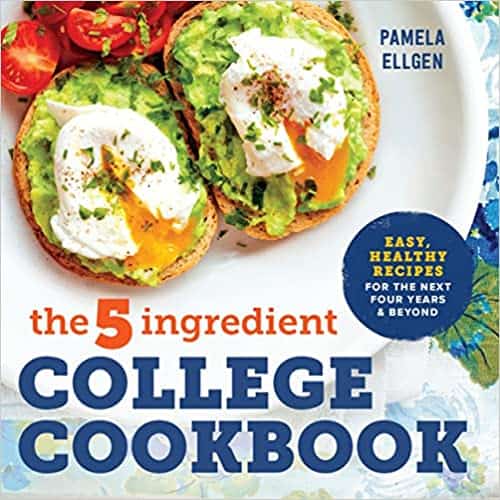
The 5-Ingredient College Cookbook: College students don’t typically have a ton of time, money, or kitchen space to get fancy with their meals, which means good and cheap is the name of the game. This college cookbook makes it easy for students to prepare fresh, tasty, healthy meals for themselves on a budget, with more than 100 recipes that only take 30 minutes to throw together, and only require 5 main ingredients.
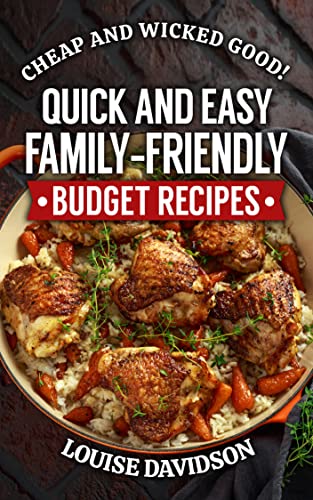
Quick and Easy Family-Friendly Budget Recipes: The diverse and delicious recipes in this cookbook all contain very few ingredients and most recipes can be prepared for ten dollars or less for a family of 4 and in some cases, much less! You also do not have to sacrifice your health to eat economically. Everything here is far healthier than TV dinners and fast food—things you'll be happy to see your family eating and enjoying.
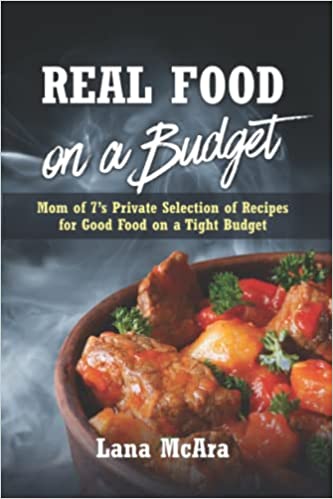
Real Food on a Budget: Transforming, reusing and economizing to provide plenty—these are the principles behind Real Food on a Budget developed during 30 years of kitchen management by Mom of 7, Lana McAra. She reveals her secret formula for creating 4 nourishing meals from a single chicken, 3 meals from one beef roast and 107 ways to use ground beef—including Mock Filet Mignon and Mock T-Bone Steak—as well as dozens of substitutions.
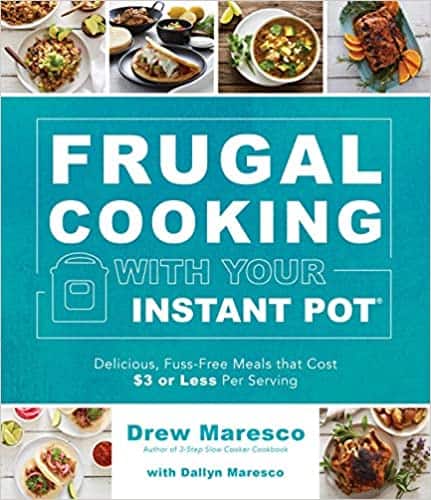
Frugal Cooking with Your Instant Pot: Your Instant Pot® has been saving you time and energy in the kitchen for years and now, it’ll save you money, too! With this impressive collection of recipes, you’ll learn how to make a ton of incredible, budget-friendly dinners in your Instant Pot® that cost next to nothing― just $3.00 or less per serving!
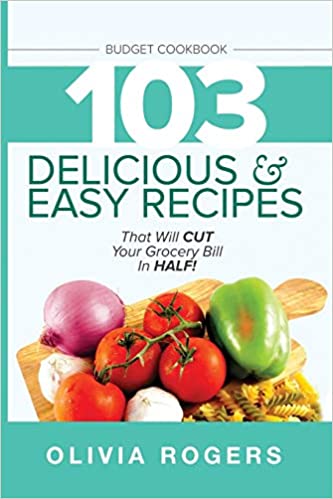
Budget Cookbook: 103 Delicious & Easy Recipes That Will CUT Your Grocery Bill in Half: Multi-time best selling cookbook writer and influencer, Olivia Rogers, presents the most popular and best selling "family budget dinner cookbook" on Amazon, which includes a compilation of the most delicious budget dinner recipes as voted by Olivia's 10,000+ readers and fans. You are guaranteed to find a few winners here with your family!
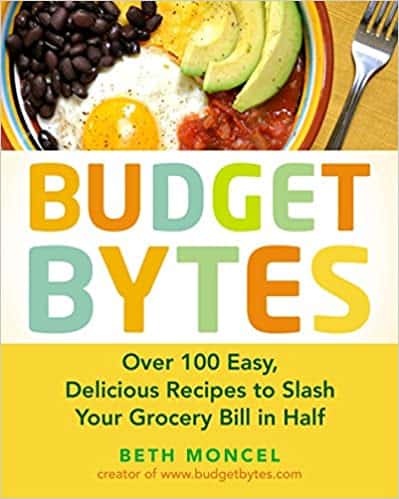
Budget Bytes: Beth's eagerly awaited cookbook proves cutting back on cost does not mean cutting back on taste. Budget Bytes has more than 100 simple, healthy, and delicious recipes, including Greek Steak Tacos, Coconut Chicken Curry, Chorizo Sweet Potato Enchilada, and Teriyaki Salmon with Sriracha Mayonnaise, to name a few. It also contains expert principles for saving in the kitchen—including how to combine inexpensive ingredients with expensive to ensure that you can still have that steak you’re craving. Whether you’re urban or rural, vegan or paleo, Budget Bytes is guaranteed to delight both the palate and the pocketbook.
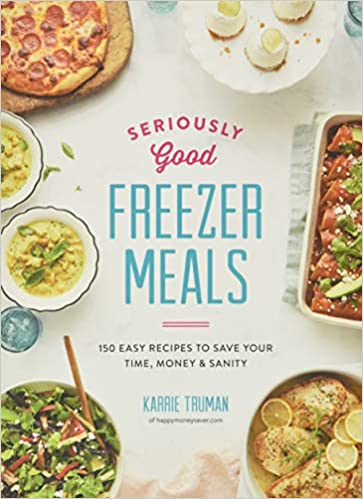
Seriously Good Freezer Meals: 150 Easy Recipes to Save Your Time, Money and Sanity: In Seriously Good Freezer Meals, Karrie shares 150 recipes photos that will change the way you think about freezer cooking. You won't find your mother or grandmother's freezer meals here (except lasagna, of course). Her recipes include Morning Energy Bars, Empanada Hand Pies, Coconut Cashew Basil Curry Soup, Smoky Grilled Louisiana Turkey Legs, and Layered Chocolate Mousse Cake with tons of vegetarian, gluten-free and vegan options, too. Plus, she adds a bulk-batch chart for ease in making large quantities of each freezer-meal recipe.
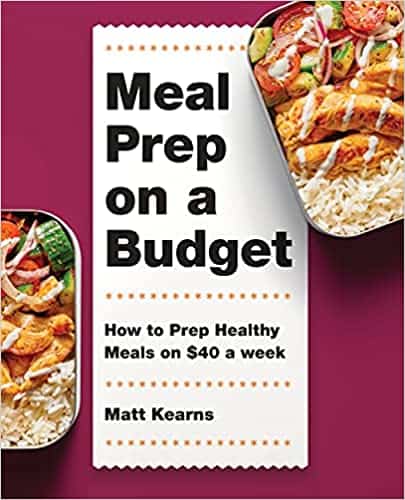
Meal Prep on a Budget: Preparing healthy meals in advance is one of the best ways to keep wellness goals on track while saving time and energy. But how do you keep costs down without sacrificing taste or health? Meal Prep on a Budget is a complete resource for creating balanced, delicious meals that are easy to make and easy on the wallet. Discover clear guidance that breaks down exactly what to buy and how to prepare it―for just $40 per week.
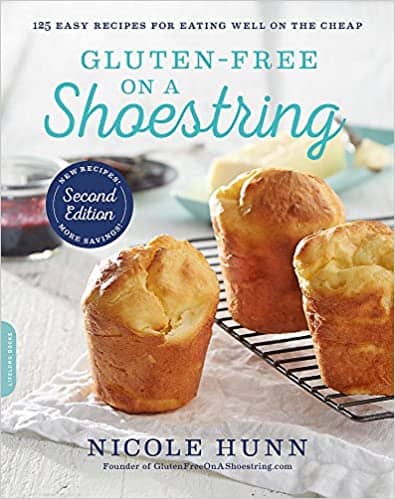
Gluten-Free on a Shoestring: Nicole Hunn has been helping home cooks eat well and on the cheap since 2009. Now, she's updated her beloved Gluten-Free on a Shoestring, the indispensable guide to simple, inexpensive GF cooking. From chicken potpie to banana cream pie, Nicole shares her recipes for tasty family favorites -- all gluten-free, all easy on your wallet. With revised and new recipes, pantry-stocking tips, keys to the best GF flour blends -- and of course, more top money-saving secrets.
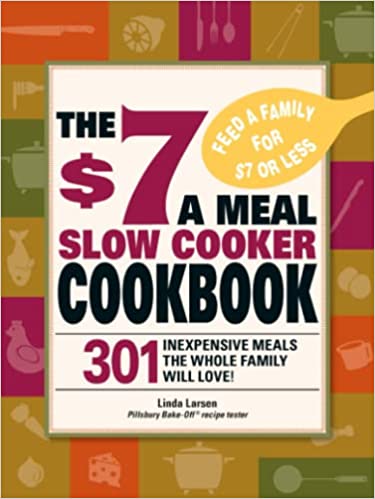
The $7 a Meal Slow Cooker Cookbook: With this cookbook, families will find 301 great recipes that almost cook themselves, including Spicy Turkey Meatballs; Hearty Root Vegetable Soup; Pizza Fondue; Crock-Pot Fajitas; Black Bean Lasagna; and more. This comprehensive, all-purpose cookbook is packed with simple instructions, nutritional information, and the amount of money needed for each recipe and makes preparing delicious, healthy, and cheap meals easier than ever before!
Good Cheap Eats Dinner in 30 Minutes or Less: Good Cheap Eats serves up 65 two-course dinners, consisting of a main dish and a substantial side, salad, or soup, all of which take 30 minutes or less to prepare. And as a mother of six and a busy parent, she shows home cooks how to get dinner on the table quickly and inexpensively without relying on heavily processed shortcuts or artificial ingredients. Great for time-pressed couples, families with picky eaters, or singles that need a quick solution to dinner tonight.
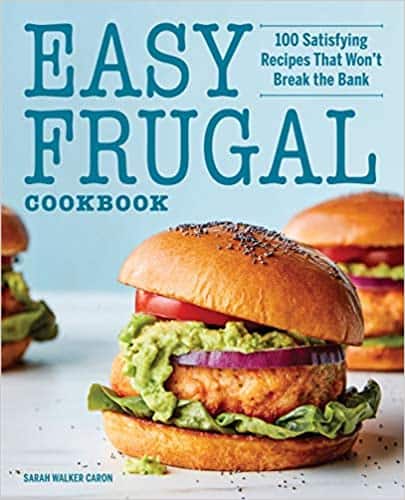
Easy Frugal Cookbook: It’s easier than you think to make hearty meals that are tasty, budget-friendly, and nutritious. Discover an easy cookbook that shows you how, with 100 inexpensive family recipes that use basic ingredients, and can be made in just a few steps. This easy cookbook will help you whip up satisfying dishes like Crispy Coconut Drumsticks or Open-Face Turkey Sandwiches for everyone in the house for just $5. All it takes is the right recipe, a few tricks, and a little planning to make the most of your food budget.
There you have it – 18 of the best frugal cookbooks to help you save money and eat at home more! I hope you found the perfect cookbook for your family!
Frugal Tip: Check out the best frugal cookbooks from your library before you invest. Or, take a look at the prices on the used cookbooks from Amazon to save money!
Looking for more ways to save on food? Check these out: